
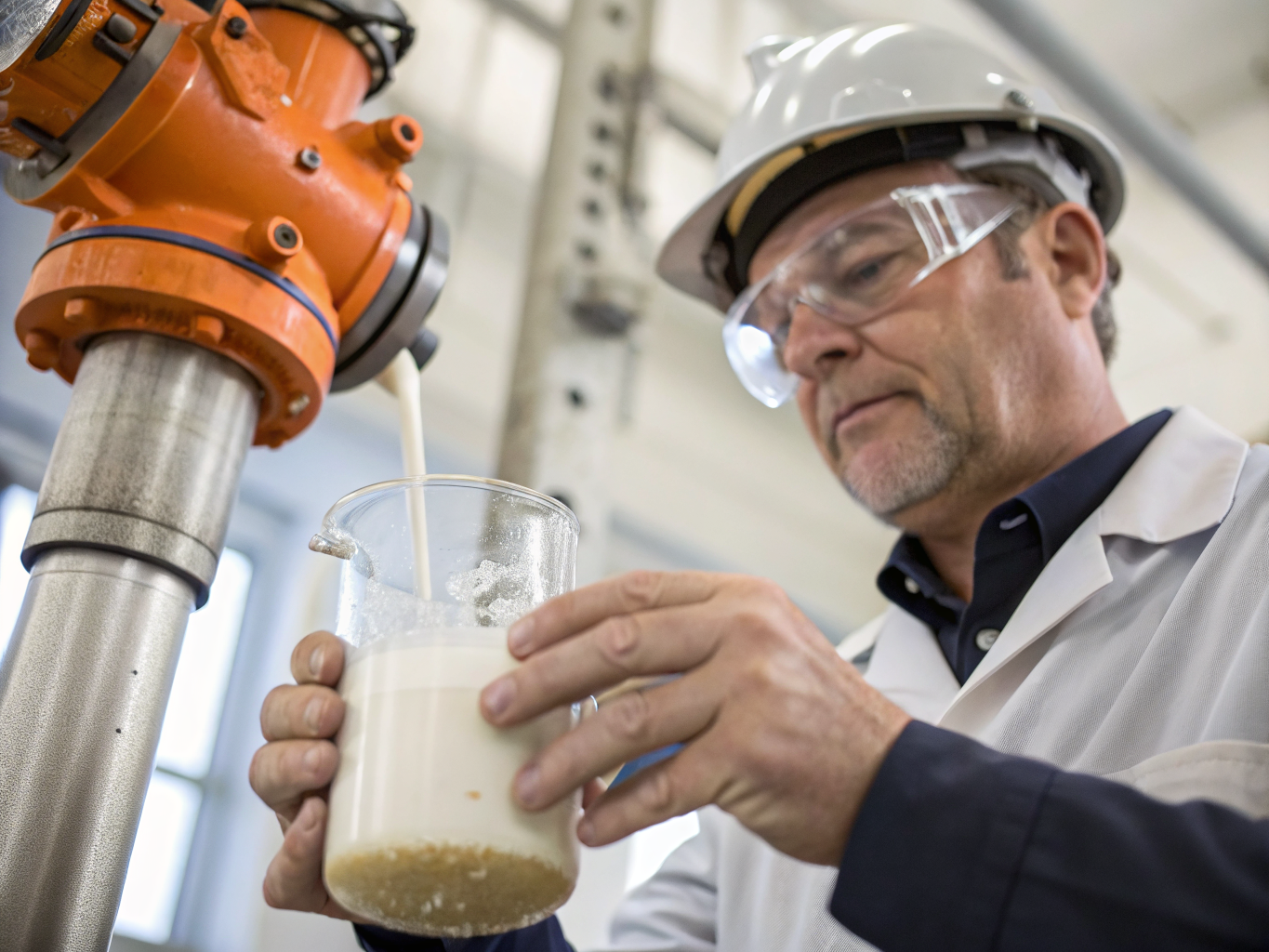
Does your hydraulic equipment fail unexpectedly in hot, humid weather? Constant downtime and expensive repairs can ruin your profit margins. I have seen many professional operators struggle with these exact issues every single day.
You can protect your hydraulic systems by installing desiccant breathers to block moisture and using high-demulsibility oils. Regular oil analysis and checking for milky fluid are also vital. These steps prevent rust, chemical breakdown, and internal motor wear caused by high tropical humidity.
I know how frustrating it is to wait for parts while your project sits still. That is why at Fortis Systems Group, we focus on solutions that keep you running. Keep reading to learn how to master tropical maintenance and save your equipment.
How Do You Spot Moisture Damage in Your Hydraulic Systems Early?
Is your hydraulic oil looking cloudy or off-color? Moisture is a silent killer that eats your system from the inside out before you even notice a major problem.
Identify moisture damage by checking for a milky or cloudy appearance in the hydraulic fluid. You should also look for rust on motor shafts and mounting bolts. These signs indicate that water has mixed with your oil or attacked your external metal parts.
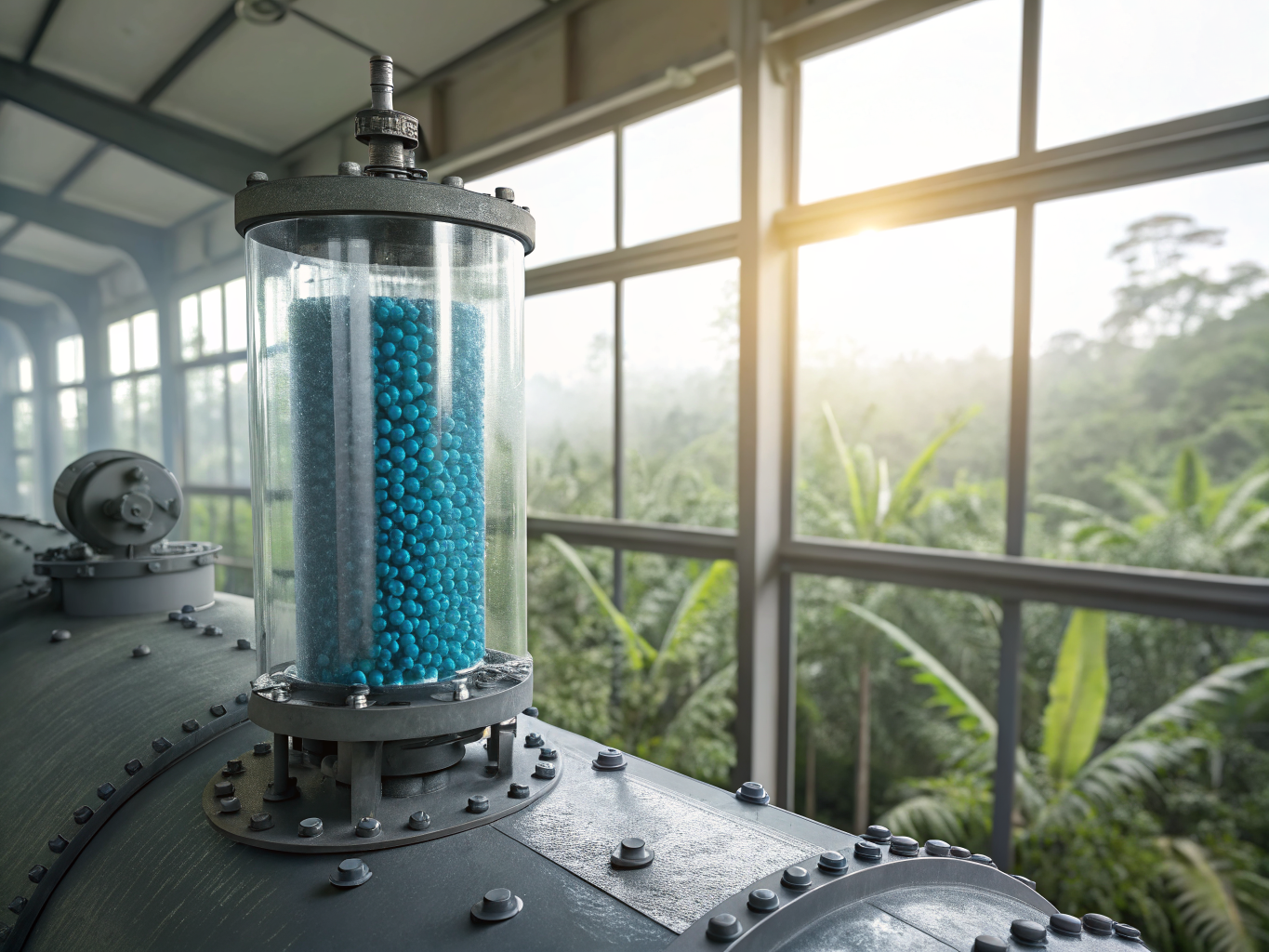
When I visit job sites in Southeast Asia or Latin America, the first thing I check is the oil color. If the oil looks like a latte or a milkshake, we have a big problem. This milky look is called emulsification. It happens when water and oil mix so well that they do not separate easily. This mixture does not lubricate well. Without good lubrication, the precision parts inside your Orbit motors 3 will rub together. This causes heat and fast wear.
At Fortis Systems Group, we make our motor components with very tight tolerances. When water gets in, it ruins that precision. You might also notice that the oil feels thinner. High ambient heat in the tropics makes this worse. Thin oil leads to internal leakage. This means your motor might spin slower or lose power even if you have the pressure set correctly.
You must also look at the outside of your machines. In humid coastal areas, salt and moisture work together to create rust. Check the mounting bolts and the motor shafts. If the shaft is rusty, it will tear the seal as it rotates. Once the seal is gone, more water gets in, and more oil gets out. This is a cycle that only ends in a complete system failure.
Visual Symptoms of Water Contamination
| Symptom | Cause | Potential Result |
|---|---|---|
| Milky/Cloudy Oil | Water emulsification | Poor lubrication and pump cavitation |
| Rust on Shafts | High humidity/Salt air | Seal failure and external leaks |
| Foaming in Reservoir | Air and water mixture | Spongy controls and overheating |
| Sludge in Tank | Oil oxidation | Blocked filters and valve sticking |
What Are the Best Maintenance Strategies for Tropical Operations?
Are you tired of your machines breaking down every time the rainy season starts? You need a proactive plan to stop humidity before it enters your hydraulic reservoir and ruins your day.
The best strategies include installing desiccant breathers to strip moisture from the air and monitoring operating temperatures. You should also use fluids with high demulsibility ratings. This allows water to separate quickly so you can drain it from the bottom of the tank.
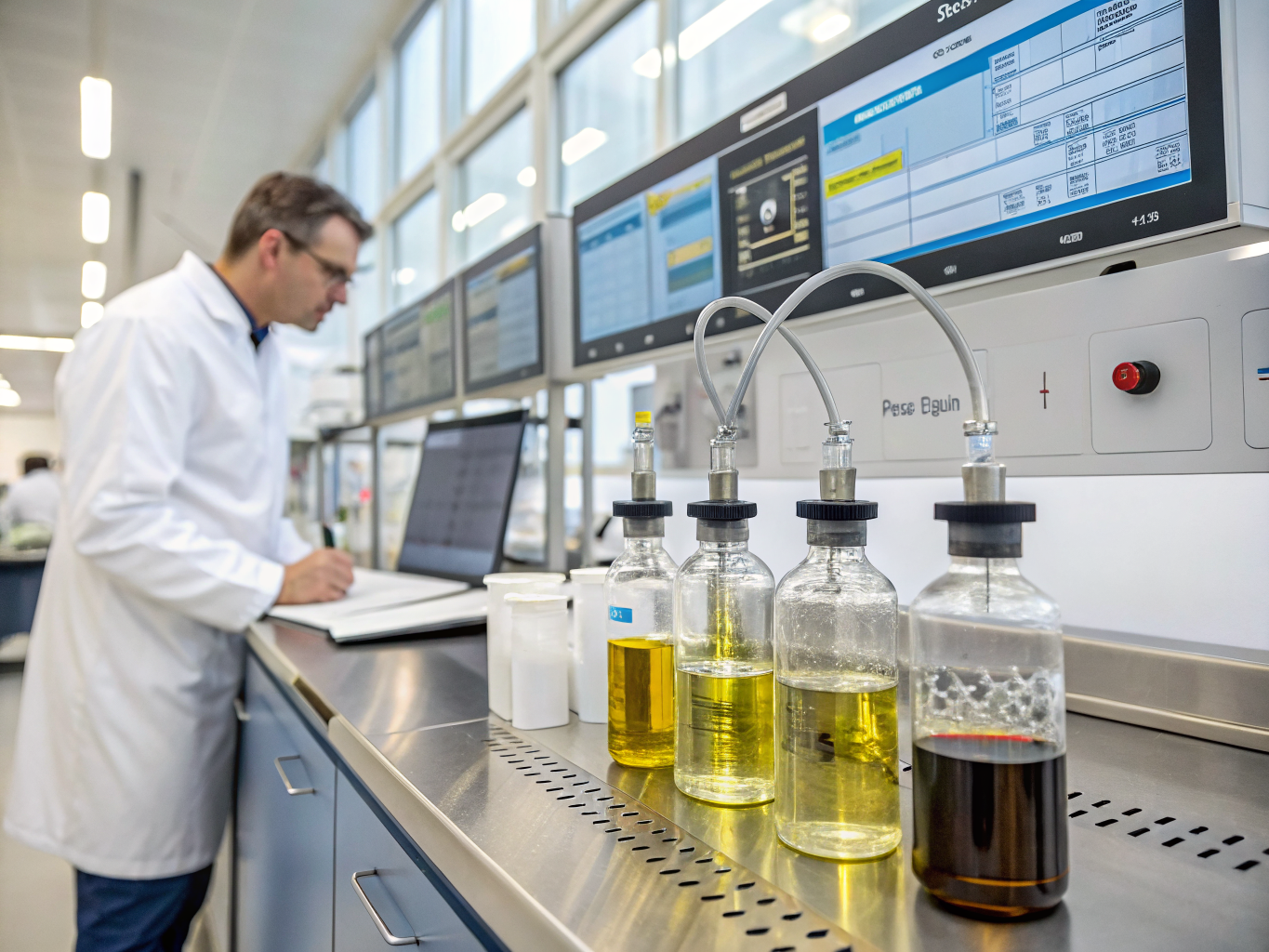
I always tell my clients that a small investment in prevention saves thousands in repairs. The most important tool you can buy is a desiccant breather 1. Think of it as a filter for your system's lungs. As the oil level goes up and down, the tank "breathes" air. In a tropical climate, that air is full of water. A desiccant breather uses special beads to soak up that water before it hits your oil.
Why Temperature Control Matters
In places like Malaysia or Brazil, the sun is brutal. High heat lowers the viscosity 4 of your oil. When the oil is too thin, it cannot protect the moving parts of your hydraulic motor. I suggest installing better cooling systems or larger reservoirs if your machines run hot. We use high-efficiency manufacturing in China to create custom parts that handle these heat variations better than standard off-the-shelf components.
Managing the Reservoir
You should also get into the habit of "bottom draining." Water is heavier than oil, so it settles at the very bottom of the tank. Once a week, open the drain valve just a little bit. If clear water comes out, let it drain until you see clean oil. This simple trick can extend the life of your pumps and motors by years.
Hardware Upgrades for Humidity
- Desiccant Breathers: Replace standard caps with these to block water vapor.
- High-Quality Seals: Use Viton 5 or other high-performance elastomers that handle heat and moisture.
- Stainless Steel Components: Use these for external parts to prevent rust in coastal zones.
Which Fluid Analysis Techniques Work Best for High-Humidity Zones?
Do you actually know what is happening inside your hydraulic lines, or are you just guessing? Trusting your luck is not a professional strategy when thousands of dollars are on the line.
Use regular oil analysis to detect chemical breakdown and oxidation accelerated by heat and moisture. You must test for the Karl Fischer water content and check for microbial growth. These tests tell you exactly when the oil is no longer protecting your motor components.

Oil analysis is like a blood test for your machine. In high-humidity environments, oil breaks down much faster. The combination of water and heat causes oxidation. This creates acids and sludge. If you don't catch this early, the acid will eat the yellow metals, like brass or bronze, inside your system.
One thing people often forget in the tropics is "microbial growth 7." Yes, things can grow in your oil tank! Bacteria and fungi love warm, wet oil. They create a thick slime that clogs filters and causes valves to stick. A professional fluid analysis will look for these microbes. If you find them, you may need to flush the system and use a biocide.
At Fortis Systems Group, we recommend a strict schedule for fluid testing. Don't just wait for the oil to look bad. By the time it looks bad, the damage is already done. Send a sample to a lab every 500 hours of operation. This data helps you predict when a motor might fail. It allows you to schedule maintenance during your downtime instead of during your busiest work hours.
Key Oil Analysis Parameters
| Test Type | What it Measures | Why it Matters in Tropics |
|---|---|---|
| Karl Fischer water content 6 | Exact water ppm | Detects water before oil turns milky |
| Viscosity @ 40°C | Oil thickness | Ensures oil hasn't thinned due to heat |
| Total Acid Number 8 | Level of oxidation | Prevents acid corrosion of internal parts |
| Particle Count (ISO) | Solid contamination | Checks for wear debris from rust or friction |
How Can You Stop Corrosion and Wear in Tropical Climates?
Are your motors and mounting bolts covered in rust after just a few months? Corrosion can lock up your equipment and make it impossible to perform even basic repairs or adjustments.
Mitigate corrosion by using protective coatings and performing regular galvanic inspections on motor interfaces. You must also inspect all seals for hardening or cracking caused by UV exposure. Using hydraulic fluids with high demulsibility ensures that water stays separate and easy to remove.
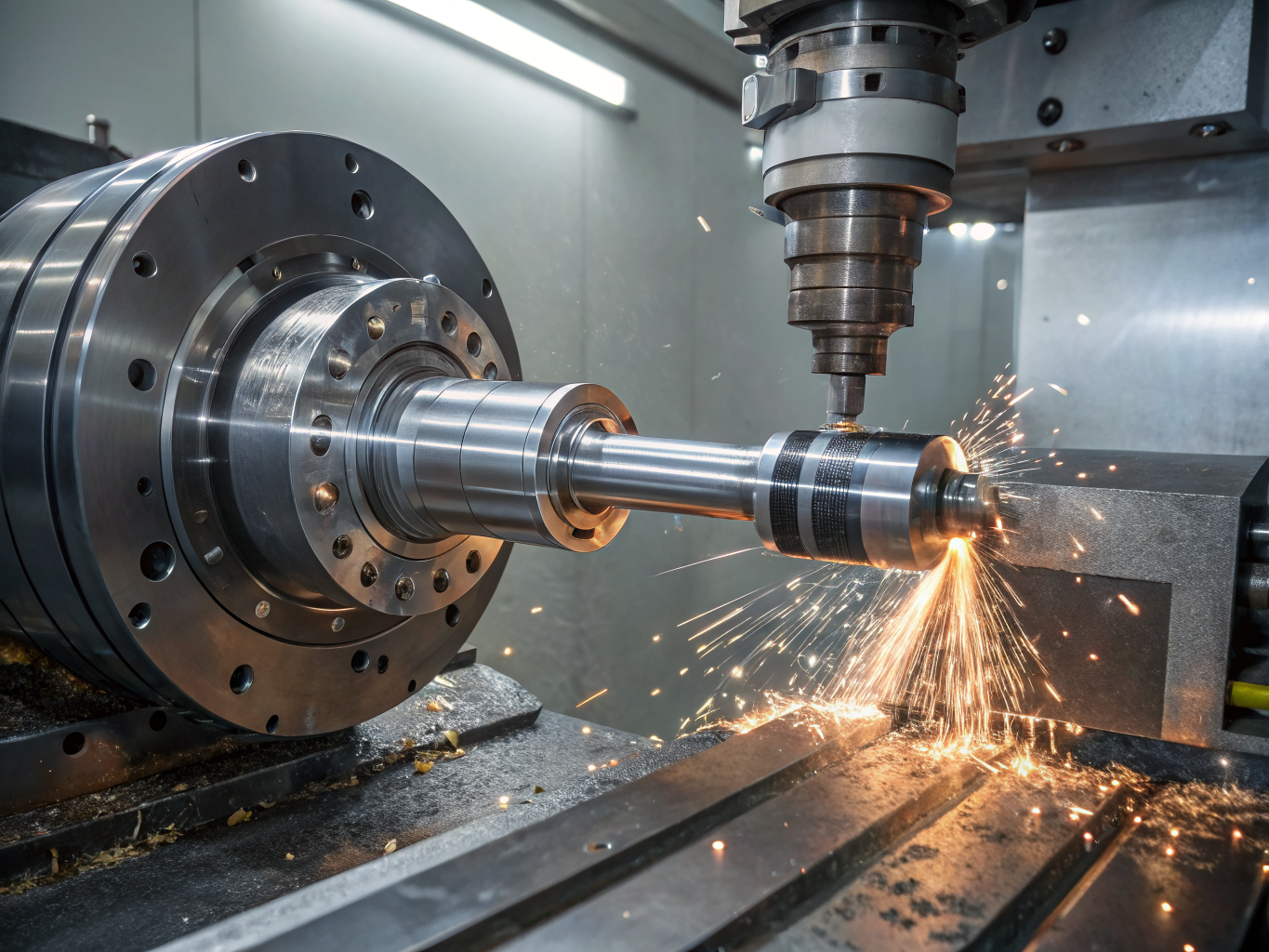
Corrosion is the biggest enemy of heavy machinery in the tropics. It isn't just about how it looks; it is about how it works. For example, if the interface between your motor and the machine is made of two different metals, moisture can cause "galvanic corrosion 9." This is like a tiny battery reaction that eats the metal away. I always suggest using anti-seize compounds and protective paints to stop this.
Protecting Your Seals
The seals are the "gatekeepers" of your hydraulic motor. In tropical zones, the high UV from the sun and the constant moisture make rubber and plastic seals get hard and crack. This is called polymer degradation 10. Once a seal cracks, it lets high-pressure oil leak out and allows dirt and water to get in. We use multi-stage machining and polishing at Fortis to ensure our motor shafts are perfectly smooth. This reduces the friction on the seals, helping them last longer even in tough climates.
Dealing with Thermal Shock
Another weird issue in the tropics is "thermal shock." Imagine your motor is running hot at 70°C, and then a sudden, cold tropical rainstorm hits it. The metal parts shrink at different speeds. This can cause seals to contract and leak or even cause tiny cracks in the motor housing. You should try to shield your equipment from direct rain when it is running hot.
Material Compatibility for Tropical Zones
| Material | Reaction to Humidity/Heat | Better Alternative |
|---|---|---|
| Standard Carbon Steel | Rusted quickly | Painted or Plated Steel |
| Basic Nitrile Seals | Hardens and cracks | Viton or Fluorocarbon |
| Mineral Oil (Low Quality) | Oxidizes fast | High-demulsibility 2 Synthetic |
| Brass Fittings | Can suffer from dezincification | Stainless Steel or Coated Steel |
Conclusion
Protecting your hydraulic systems in the tropics requires a mix of the right hardware and strict oil management. By stopping moisture early, you ensure your equipment stays reliable and profitable.
Footnotes
1. Learn how desiccant breathers remove water vapor from entering hydraulic reservoirs. ↩︎
2. Understanding the ability of oil to separate from water for better filtration. ↩︎
3. A guide to the mechanics and applications of orbital hydraulic motor designs. ↩︎
4. Technical data on how fluid thickness changes with temperature and pressure. ↩︎
5. Overview of high-performance fluoroelastomers used for extreme temperature and chemical resistance. ↩︎
6. Detailed explanation of the standard laboratory method for measuring moisture in fluids. ↩︎
7. How to identify and prevent bacterial and fungal contamination in lubrication systems. ↩︎
8. Explaining the measurement of acidic components in oil to track chemical breakdown. ↩︎
9. Learn why contact between dissimilar metals causes accelerated corrosion in wet environments. ↩︎
10. An overview of how environmental factors break down the chemical structure of polymers. ↩︎
