

High energy bills and frequent maintenance are killing your profits. I see this struggle daily in the hydraulic industry. Let's fix your system's efficiency and stop the money leak together.
Switching to high-efficiency hydraulic motors slashes energy waste by improving volumetric and mechanical performance. These motors reduce heat generation and extend component life, leading to lower utility bills and significantly reduced total cost of ownership for your industrial machinery.
I know you have seen many vendors claim their parts are the best. But at Fortis Systems Group, we combine U.S. management standards with the cost benefits of Chinese manufacturing. This approach changes everything. If you stay with me, I will show you exactly how high-efficiency motors put money back into your pocket.
How Do Volumetric and Mechanical Efficiency Drive Real Energy Savings?
You lose power through internal leaks and friction every single second. It is frustrating to pay for energy that does not do actual work. I can help you reclaim that lost power.
High-efficiency motors use precision-engineered clearances to stop internal leakage and advanced materials to cut friction. This ensures more hydraulic input turns into actual torque, maximizing every dollar you spend on electricity or fuel for your power units.
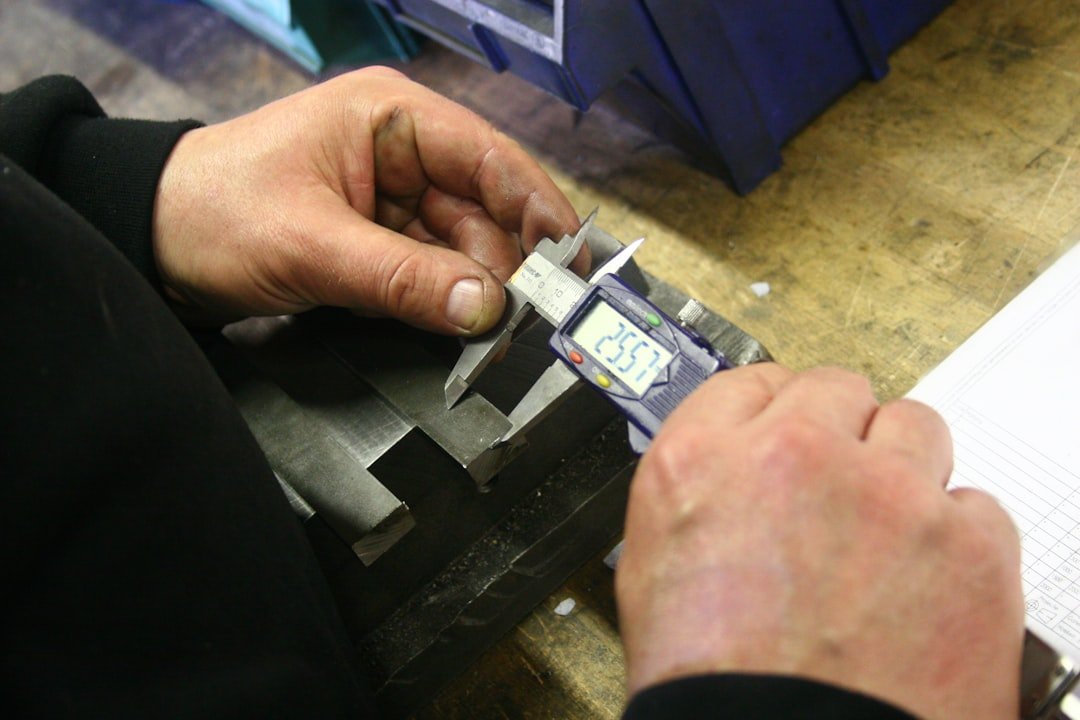
When we talk about efficiency in a hydraulic motor, we are looking at two main things: volumetric and mechanical performance 1{#ref-1}. Volumetric efficiency is all about how much oil stays where it belongs. In a standard motor, small gaps allow oil to slip past the moving parts without turning the shaft. This is called internal leakage. I have seen systems where 20% of the oil flow is just "leaking" inside the motor. That is 20% of your pump's work going to waste. Our orbit motors 2{#ref-2} use multi-stage machining to make these gaps so small that leakage almost stops. This precision is the "Western Standard" I talk about. We use high-end CNC machines in our China facilities to hit tolerances that others simply miss.
Mechanical efficiency is the other side of the coin. Every moving part in a motor creates friction. Friction turns your expensive energy into useless heat. If the parts inside the motor are rough or poorly aligned, the motor has to fight itself just to turn. We use a rigorous polishing process for every Gerotor and Geroller set 3{#ref-3}. This makes the surfaces smooth like glass. When parts move smoothly, you need less pressure to start the motor.
To help you see the difference, look at this comparison:
Table 1: Efficiency Comparison Between Motor Types
| Feature | Standard Orbit Motor | Fortis High-Efficiency Motor | Impact on Savings |
|---|---|---|---|
| Volumetric Efficiency | 75% - 82% | 92% - 96% | Less pump work needed |
| Mechanical Efficiency | 80% - 85% | 90% - 94% | More torque at the shaft |
| Heat Generation | High | Low | Lower cooling costs |
| Internal Friction | Significant | Minimal | Longer part life |
Why Precision Machining Matters
I often tell my clients that a motor is only as good as its tightest clearance. If your supplier in China does not understand metallurgy or heat treatment, the motor might work fine on day one but fail on day thirty. We control the entire supply chain. This means we check the raw materials before they even touch a machine. By using advanced surface coatings 4{#ref-4}, we reduce wear and tear. This keeps the motor running at peak efficiency for years, not just months. When you use a motor that converts almost all its input into torque, your whole system runs cooler and faster. This is the simplest way to lower your energy bill without changing your entire factory layout.
Can Reducing Thermal Load Cut Your Cooling System Operational Costs?
Overheating systems force you to run expensive cooling fans and heat exchangers non-stop. This wasted electricity adds up fast over a year. I have seen companies cut cooling costs by simply upgrading their motors.
High-efficiency designs generate less internal heat because they waste less energy through friction and leakage. This lower thermal load means your cooling fans work less, saving you massive amounts on electrical operational costs and protecting your hydraulic fluid.
In physics, energy does not just disappear. If your motor is not efficient, the "lost" energy turns into heat. This heat goes directly into your hydraulic fluid 5{#ref-5}. I have visited plants where the oil reservoirs were so hot you could not touch them. This is a huge problem. When oil gets too hot, it loses its ability to lubricate. It starts to oxidize, which is a fancy way of saying it turns into oil degradation 6{#ref-6}. This sludge clogs filters and damages pumps. To stop this, most managers install huge cooling systems. But those fans and pumps for the coolers use a lot of electricity.
By using our high-efficiency motors, you attack the problem at the source. Because our motors have less friction and better sealing, they don't dump nearly as much heat into the oil. I once helped a client in Southeast Asia who was struggling with oil temperatures over 80 degrees Celsius. We swapped their old motors for our precision-engineered models. The temperature dropped by 15 degrees. They were able to turn off two of their four cooling fans. That saved them thousands of dollars in electricity every year.
The Hidden Cost of Oil Degradation
When heat is low, your oil lasts much longer. Changing 500 gallons of hydraulic fluid is not cheap. It costs a lot to buy the oil, and it costs a lot to get rid of the old stuff. Plus, you have to stop production to do the change. High-efficiency motors protect the chemistry of your oil. This means you change the oil less often.
H3: Benefits of Lower Operating Temperatures
- Reduced Electricity Use: Cooling fans don't need to run 24/7.
- Longer Seal Life: High heat makes rubber seals brittle. Lower heat keeps them flexible.
- Better oil viscosity 7{#ref-7}: Cooler oil stays at the right thickness to protect your parts.
- Less Downtime: You don't have to shut down the machine because it is "overheating."
By focusing on thermal load, you are not just saving energy. You are making the entire environment safer and more stable for your workers and your equipment.
What Are the Synergistic Benefits of High-Efficiency Motors on System Longevity?
Buying cheap motors often leads to early system failure and costly downtime. It is a headache you do not need in your busy schedule. Let's look at how quality parts protect your entire machine.
High-efficiency motors use superior coatings and low-speed high-torque performance to reduce wear and tear. This protects the whole circuit, from the pump to the seals, ensuring your equipment lasts years longer than standard setups and prevents sudden breakdowns.
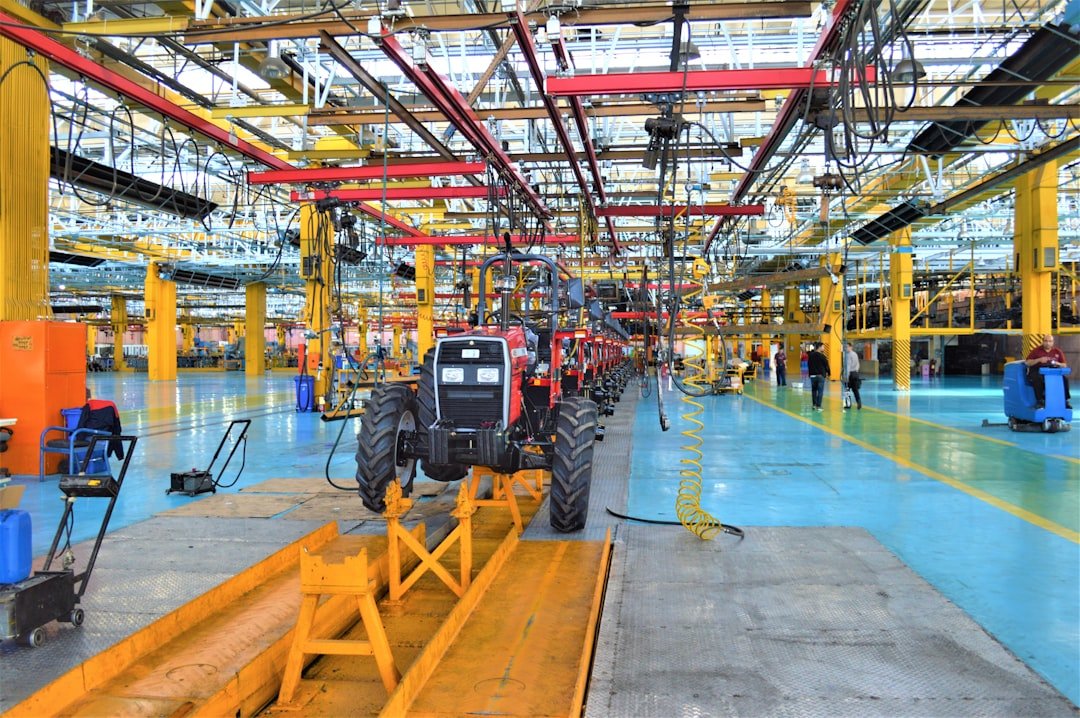
Efficiency is not just about a single moment in time. It is about how that motor behaves over five or ten years. I have found that high-efficiency motors are naturally more durable. Why? Because the same things that make them efficient—like smooth surfaces and perfect alignment—also reduce stress on the parts. When a motor vibrates less and runs cooler, the metal parts don't fatigue as fast. We use high-grade alloys in our China factories that meet strict U.S. specifications. This ensures the motor can handle pressure spikes without cracking.
Another big benefit is Low-Speed High-Torque (LSHT) 8{#ref-8} performance. Our high-efficiency motors can turn very slowly while still providing a lot of power. In the past, you might have needed a gearbox to do this. Gearboxes are heavy, they leak, and they waste energy. By using a motor that can do the job directly, you remove a major point of failure from your system. This is a "turnkey solution" mindset. We don't just sell you a motor; we help you simplify your machine.
Table 2: Component Life Extension with High-Efficiency Motors
| Component | Life with Standard Motor | Life with High-Efficiency Motor | Reason for Improvement |
|---|---|---|---|
| Hydraulic Seals | 12 - 18 Months | 36+ Months | Lower heat prevents hardening |
| Hydraulic Fluid | 2,000 Hours | 5,000+ Hours | Less oxidation and breakdown |
| The Motor Itself | 3 - 5 Years | 8 - 10 Years | Better materials and less friction |
| Upstream Pump | Average | Extended | Less backpressure and cleaner oil |
Reducing Mechanical Waste
Many motors waste energy through noise and vibration. If your motor is loud, that noise is actually energy escaping as sound waves. It also means parts are hitting each other or rubbing in a way they shouldn't. Our motors are known for being quiet. This protects the structural integrity of the machine frame. It also makes the factory a better place for your employees to work. When I talk to CEOs, they often worry about "lead time volatility." They fear their machines will break and they won't have parts. Because our motors last so much longer, you don't have to worry about emergency shipping or lost production time as often.
Why Is the Total Cost of Ownership the Best Way to Value Hydraulic Power?
Most buyers only look at the initial price tag, which is a huge mistake. I have seen "cheap" motors cost ten times more in repairs over their life. Let's talk about the real value for your business.
True value comes from analyzing the total lifecycle cost, including energy, maintenance, and fluid replacement. High-efficiency motors pay for themselves quickly by reducing parasitic losses and allowing you to use smaller, cheaper upstream components like pumps and reservoirs.

As a B2B strategist, I always tell my clients to look at the total cost of ownership 9{#ref-9}. The purchase price of a hydraulic motor is usually only 5% to 10% of the total money you will spend on it over its life. The rest of that money goes to electricity, maintenance, and replacement parts. If you save $100 today by buying a low-quality motor, but you spend an extra $1,000 next year on electricity because it is inefficient, you have lost money. That is not a good business deal.
When you use high-efficiency motors from Fortis Systems Group, you can often "downsize" your entire system. If your motor is 95% efficient instead of 80%, you might be able to use a smaller pump. A smaller pump needs a smaller reservoir and smaller hoses. This lowers the "parasitic power loss" of the whole circuit. This is where the big savings happen. We provide free CAD designs and technical consulting to help you see these opportunities. We want to be your partner, not just a vendor.
Table 3: Estimated 5-Year Cost Comparison (Per Motor)
| Cost Category | Standard Motor (Low Initial Price) | Fortis High-Efficiency Motor | Difference/Savings |
|---|---|---|---|
| Initial Purchase | $400 | $650 | -$250 |
| Energy Consumption | $5,000 | $3,800 | +$1,200 |
| Maintenance & Oil | $1,500 | $600 | +$900 |
| Replacement Costs | $800 (Replaced once) | $0 (Still running) | +$800 |
| Total 5-Year Cost | $7,700 | $5,050 | +$2,650 |
Strategic Advantages and Incentives
In many parts of the world, like the U.S. and Europe, governments offer tax incentives for using energy-efficient equipment 10{#ref-10}. Using our motors can help your facility meet these "green" regulations. This lowers your carbon footprint and can even lead to subsidies. Plus, we offer Door-to-Door (DDP) logistics. This means the price I give you includes everything—shipping, taxes, and customs. No surprises. You get a high-performing product delivered to your door with the reliability of a U.S. partner. This transparency is why Purchasing Managers trust us. We don't hide costs; we eliminate them.
Conclusion
High-efficiency motors are the smartest investment for your hydraulic systems. They save energy, reduce heat, and last longer. Partner with Fortis Systems Group to optimize your costs today.
Footnotes
1. Comprehensive guide explaining volumetric and mechanical efficiency in hydraulic systems. ↩︎
2. Detailed technical overview of the internal mechanics of orbit motors. ↩︎
3. Scientific explanation of Gerotor and Geroller mechanism design principles. ↩︎
4. Overview of industrial surface coatings used to reduce mechanical wear. ↩︎
5. International standards for hydraulic fluid classification and quality management. ↩︎
6. Professional insights into monitoring and preventing oil degradation in machinery. ↩︎
7. Technical reference for measuring and managing hydraulic oil viscosity levels. ↩︎
8. Selection guide for high-torque motors in low-speed industrial applications. ↩︎
9. Learn how total cost of ownership calculates long-term asset value. ↩︎
10. Global trends and policies supporting the adoption of energy-efficient equipment. ↩︎
