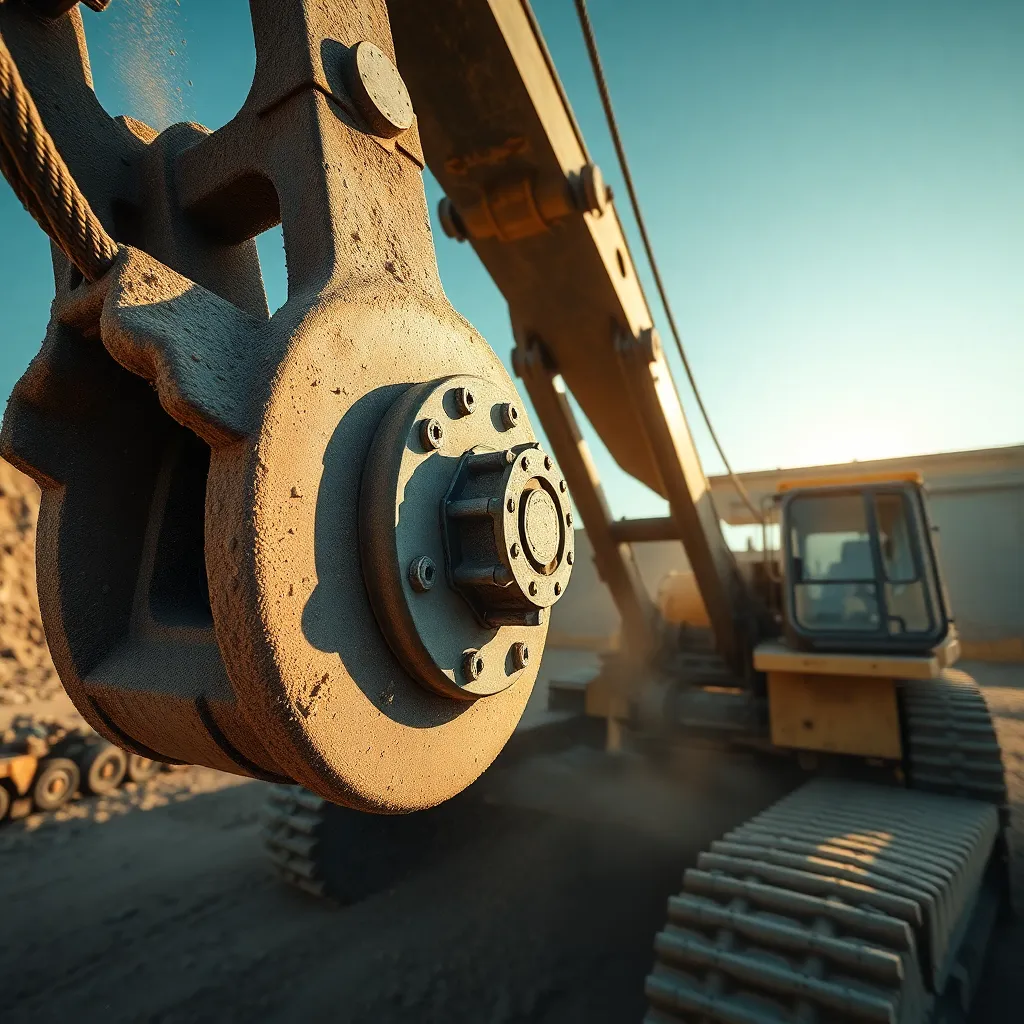
Heavy-duty cycles kill cheap motors. I have seen downtime bankrupt great projects. You need reliability to keep your machines running, or you lose money every single hour.
High-performance hydraulic motor reliability ensures operational continuity by using precision-engineered components that resist wear. This reduces unexpected failures, maintains system pressure, and extends the life of industrial machinery, directly preventing costly production halts.
I want to share how we solve these problems at Fortis Systems Group. If you stay with me, I will show you how to save your budget and your reputation.
What is the Strategic Impact of High-Performance Hydraulics on Operational Continuity?
spare parts inventory 1{#ref-1} is often a mess. I see clients drowning in logistics and broken parts. One failure stops the line. Can your business survive a week of silence?
Premium hydraulics improve operational continuity by extending the time between failures (MTBF) and reducing repair times (MTTR). Standardizing on high-quality motors simplifies your spare parts inventory and speeds up maintenance tasks for your crew.
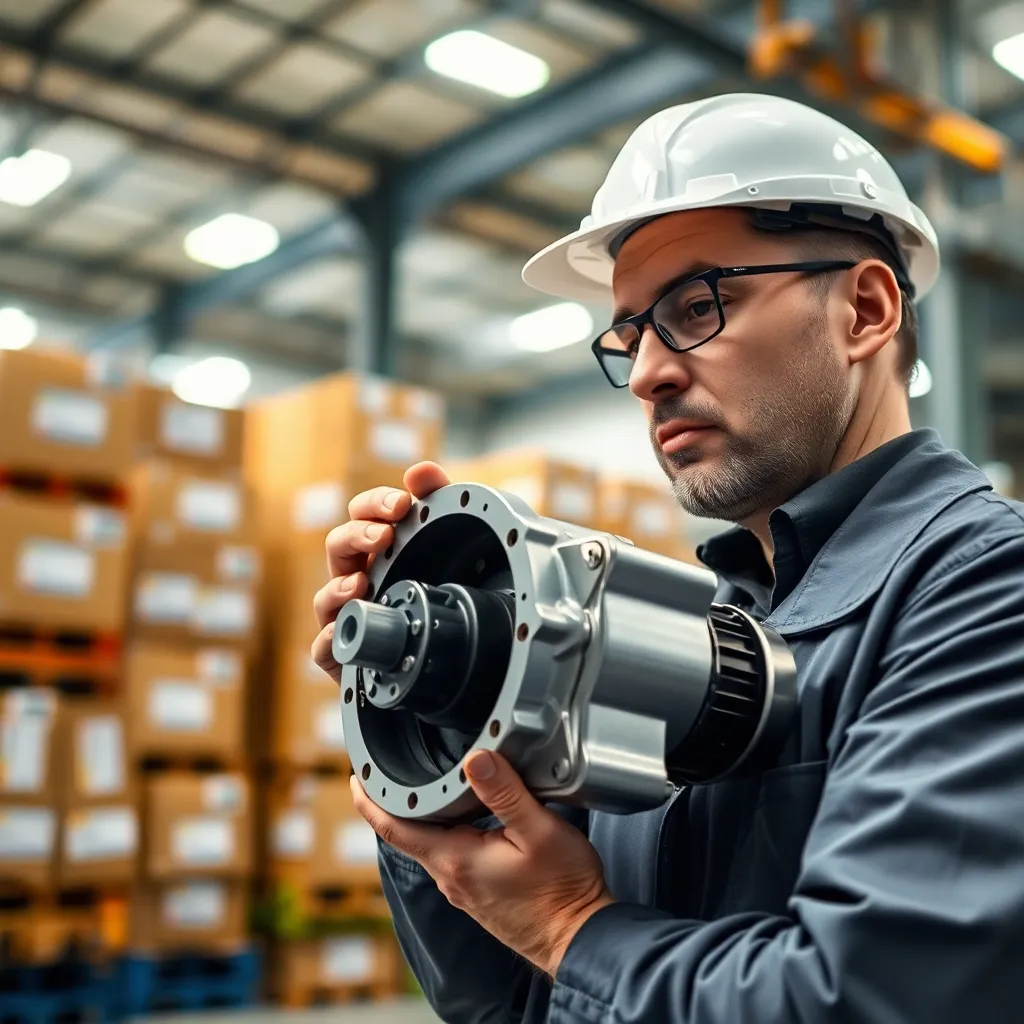
In my years at Fortis Systems Group, I have noticed a pattern. Companies that buy the cheapest motors spend the most on shipping. Why? Because they are always rushing replacement parts. When a motor fails in a heavy-duty cycle, the whole factory stops. This is what we call a "bottleneck."
The MTBF and MTTR Advantage
We focus on two main numbers: Mean Time Between Failures (MTBF) 2{#ref-2} and Mean Time to Repair (MTTR). High-grade materials in our Orbit motors mean they last longer under pressure. We use precision engineering to make sure every part fits perfectly. This extends the MTBF significantly.
But what happens when you do need to fix it? High-end motors use modular designs. This means my customers can swap out a single part instead of the whole unit. It makes the MTTR much shorter. You don't need a PhD to fix our motors during a scheduled shutdown.
Simplifying Your Inventory
I often tell my clients in Southeast Asia 3{#ref-3} and Latin America that "less is more." If you standardize your fleet with premium motors, you need fewer types of spare parts. Your warehouse becomes organized. Your maintenance team learns one system very well. This reduces training costs and human error.
At Fortis, we combine U.S. strategic management with China’s high-efficiency manufacturing. We ensure every motor meets Western standards before it leaves our proprietary factories. This consistency is the bridge to your peace of mind.
| Performance Metric | Budget Hydraulic Motors | Fortis Premium Motors |
|---|---|---|
| Mean Time Between Failures (MTBF) | 2,000 - 3,000 Hours | 8,000 - 10,000+ Hours |
| Mean Time to Repair (MTTR) | High (Hard to source parts) | Low (Modular design) |
| Inventory Complexity | High (Many different brands) | Low (Standardized units) |
| Machining Tolerance | Loose (+/- 0.05mm) | Ultra-Tight (+/- 0.005mm) |
How do You Quantify the ROI of Premium Motor Investment vs. Downtime Costs?
You might think you are saving money on budget motors. I know the truth because I see the bills later. Cheap parts hide massive costs in energy waste and lost revenue.
The ROI of premium motors is higher because they lower the Total Cost of Ownership (TCO). While the initial price is more, the energy savings and avoided downtime revenue losses pay for the motor many times over.
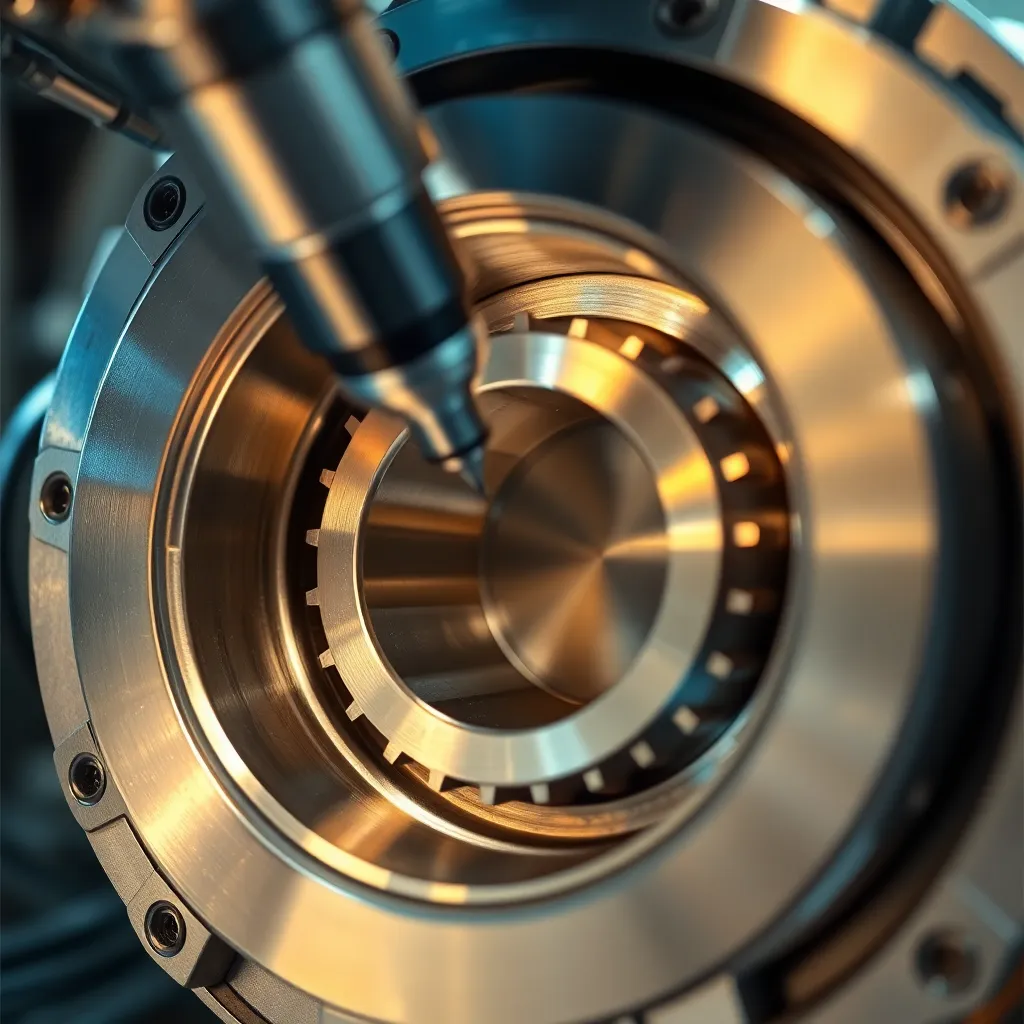
When I talk to CEOs, they want to see the numbers. Let's look at the Total Cost of Ownership (TCO) 4{#ref-4}. The purchase price is only about 10% to 15% of the total cost of a motor over its life. The rest goes to energy, maintenance, and the cost of lost production.
Energy Efficiency and Volumetric Performance
High-performance motors have high volumetric efficiency 5{#ref-5}. This is a fancy way of saying they don't leak internally. Internal leakage creates heat. Heat degrades the hydraulic fluid. When fluid breaks down, the whole system fails.
Our motors at Fortis Systems Group use multi-stage machining and rigorous polishing. This creates a seal so tight that almost no energy is wasted as heat. You save on your monthly power bill. For a large factory, these savings can be thousands of dollars a year. This helps you meet corporate ESG goals 6{#ref-6} by reducing your carbon footprint.
Avoiding the "Death Spiral" of Downtime
Downtime is a "death spiral." When a machine stops, you still pay for labor. You still pay for the building. You miss your shipping deadlines. Your customers get angry and go to your competitors. I have seen one $500 motor failure cause $50,000 in lost revenue.
When you buy from us, you get a partner who understands this pressure. We provide DDP logistics solutions 7{#ref-7} to get parts to you without customs headaches. We want to make sure your ROI stays positive by keeping your machines turning.
| Cost Factor (Over 5 Years) | Budget Motor Strategy | Premium Motor Strategy |
|---|---|---|
| Initial Purchase Price | $400 | $950 |
| Energy Consumption Cost | $5,000 | $3,800 |
| Unscheduled Downtime Cost | $12,000 (3 failures) | $0 (Predictive care) |
| Fluid Replacement Cost | $1,500 (Due to heat) | $600 |
| Total Cost of Ownership | $18,900 | $5,350 |
Critical Thinking: The Real Price of "Cheap"
We must ask: Why is the other motor cheap? Usually, it is because they skip the polishing stage or use lower-grade steel. They don't do multi-layer processing. As a technical consultant, I tell my clients that they are not "saving" money; they are "delaying" the expense. And when that expense finally comes, it includes a penalty of lost production time.
Why is Integrating Smart Sensors into Hydraulic Systems Essential for Modern Predictive Maintenance?
Waiting for a motor to break is a gamble I don't like. I hate surprises in business. Why guess when you can know exactly when a part will fail?
Integrating smart sensors and IoT into hydraulic systems enables real-time condition monitoring. This shifts your strategy from reactive fixing to predictive maintenance, allowing you to catch internal leakage and heat issues before they cause system-wide failures.
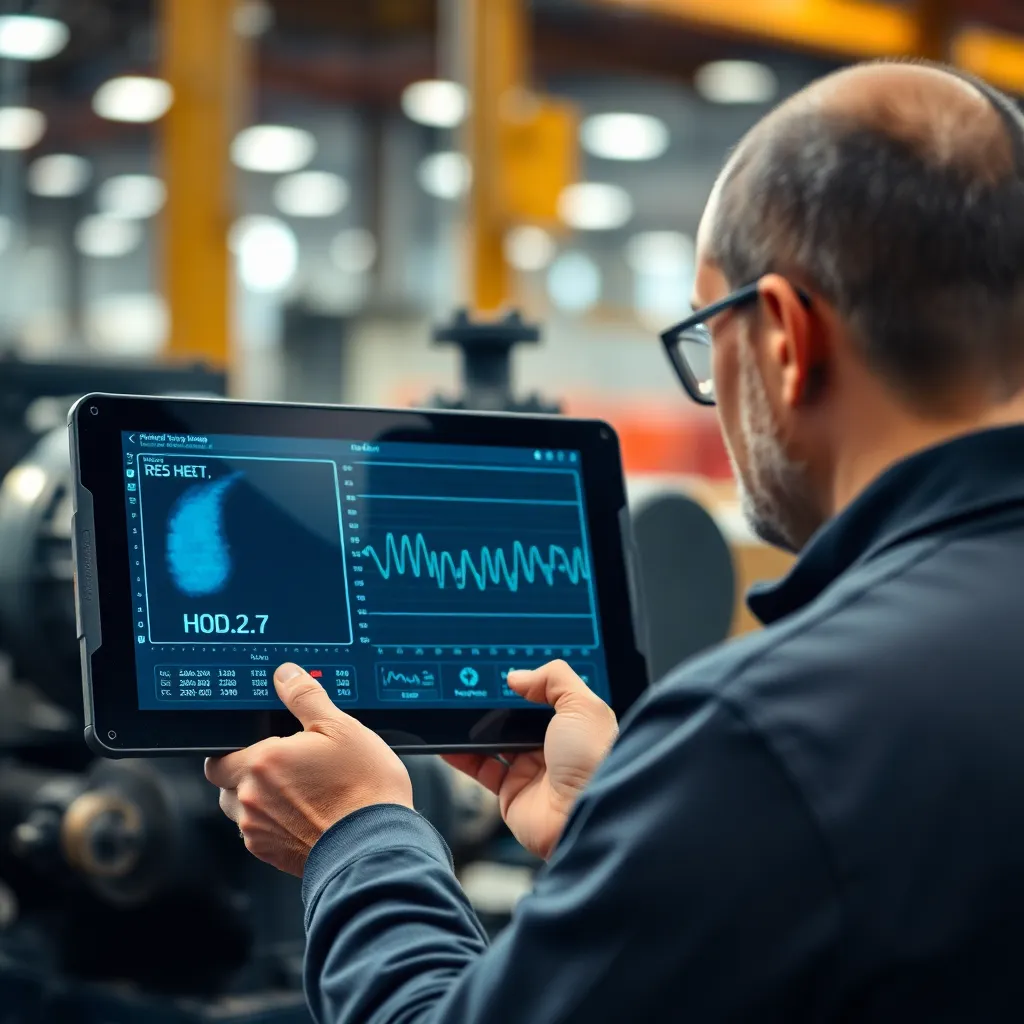
The world is changing. We don't just sell "dumb" iron anymore. I help my clients integrate IoT-enabled sensors into their premium motors. These sensors listen to the motor. They feel the vibration. They measure the heat.
From Reactive to Predictive
Most maintenance is "reactive." Something breaks, and then you fix it. This is the most expensive way to run a business. With our smart solutions, you move to predictive maintenance 8{#ref-8}. The sensor sends data to your phone or computer. It says, "The vibration in Motor 4 is rising. You should check the bearing next Sunday." Now, you fix it during a scheduled break. No panic. No rush shipping.
Digital Twins and Virtual Stress Testing
We also use digital twin 9{#ref-9} technology. This means we create a computer model of your hydraulic system. We can run "virtual stress tests." We push the virtual motor to its limit to see where it might fail. This helps us design better systems for you before we even ship the physical parts.
At Fortis, our engineering prowess allows us to offer free CAD designs. We can help you see how these sensors will fit into your existing machines. This transparency is why wholesalers in the US and EMEA trust us. We don't just send a box; we send a solution.
Managing Fluid Health
Sensors also monitor the health of your oil. Most hydraulic failures come from contaminated or overheated oil. By catching heat spikes early, you protect the internal components of every motor in the system. It is like having a doctor watching your machinery 24/7.
Why Digital Integration Matters Now
- Remote Monitoring: You can check your factory in Vietnam while you are in your office in the USA.
- Data-Driven Decisions: Stop guessing when to buy parts. Let the data tell you.
- Safety: Catching a failure before it happens prevents oil sprays and mechanical accidents.
Can Superior Material Engineering and Motor Reliability Effectively Mitigate Operational Risk?
Shock loads destroy fragile equipment. I have watched seals blow and oil ruin expensive inventory. You need a mechanical buffer to protect your entire system from these spikes.
Superior material engineering and advanced sealing technologies mitigate risk by preventing leaks and absorbing pressure spikes. These high-performance motors act as a buffer, protecting downstream components and ensuring environmental compliance in harsh environments.
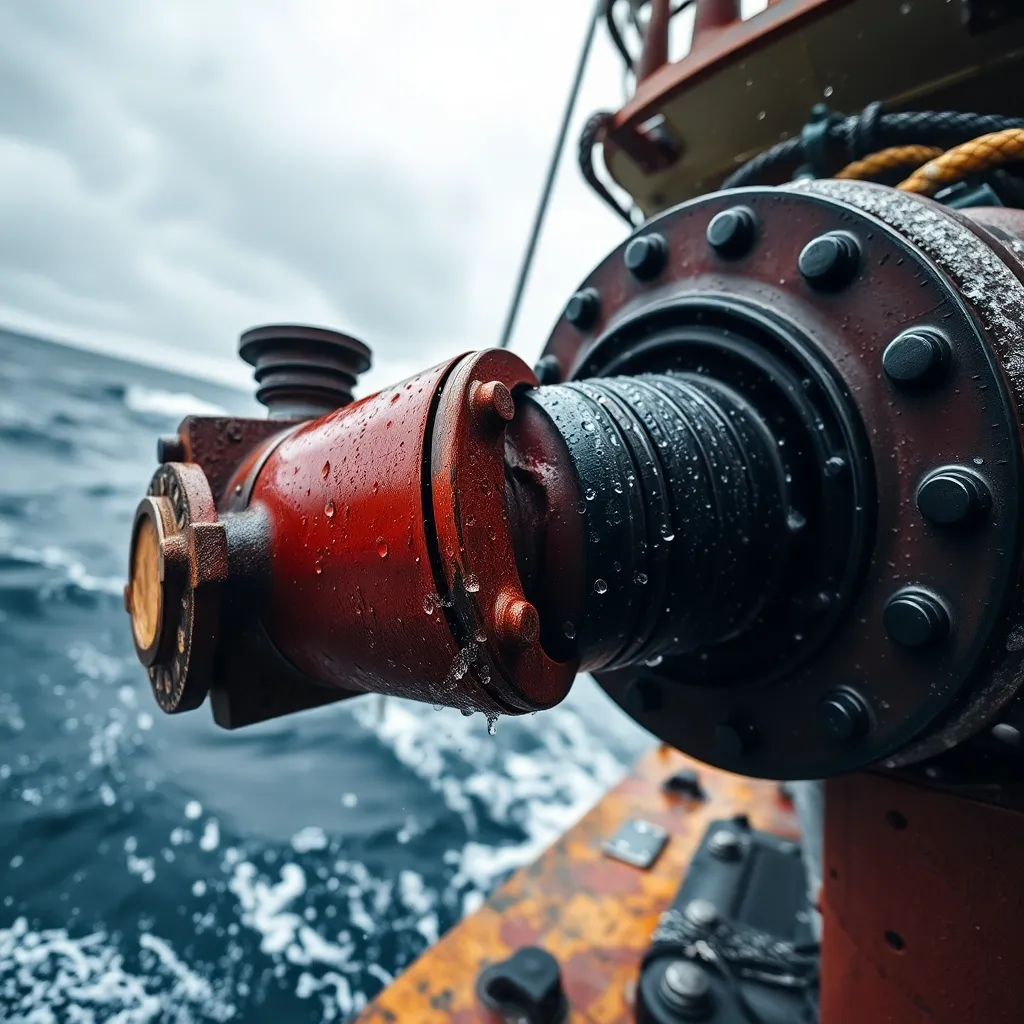
Materials matter. I always tell my team that you cannot build a premium motor with budget steel. We use high-grade alloys that handle extreme stress. In heavy machinery, pressure spikes happen all the time. A cheap motor will crack or leak. A premium motor acts as a "mechanical buffer." It absorbs that shock so your other, more fragile equipment stays safe.
Advanced Sealing Technology
Oil leaks are a nightmare. They are messy, dangerous, and bad for the environment. Our premium motors use advanced sealing technologies. These seals do two things. First, they keep the high-pressure oil inside. Second, they keep dust, water, and dirt outside.
If you work in mining or construction, dirt is your enemy. If one grain of sand gets into your motor, it acts like sandpaper. It will grind the internal parts until the motor dies. Our seals are designed to prevent this contaminant ingress 10{#ref-10}. This ensures your motor stays reliable even in the muddiest conditions.
Precision Machining and Tolerances
At Fortis, our competitive edge is our multi-stage machining. We polish our components to ultra-tight tolerances. Why does this matter? Because when parts fit perfectly, there is less friction. Less friction means less heat and less wear. This is how we achieve such long life for our Orbit motors.
We offer custom drawing-based production. If you have a specific risk you need to avoid, my engineering team can change the materials or the design to meet your needs. We are not just a vendor; we are your high-level partner.
| Feature | Low-Cost Alternative | Fortis Engineering |
|---|---|---|
| Casing Material | Standard Cast Iron | High-Strength Ductile Iron |
| Seal Type | Standard Nitrile | High-Temp Viton/Advanced Polymer |
| Surface Finish | Basic Machining | Multi-Stage Micro-Polishing |
| Shock Resistance | Low (Brittle) | High (Ductile/Buffer property) |
| Environmental Compliance | Poor (Leaky) | High (Zero-Leak design) |
Mitigating the Risk of Sub-Standard Parts
The biggest risk for an import wholesaler is getting a container full of bad parts. I know the "pulling teeth" feeling of trying to get a straight answer from a factory. That is why Fortis has representative offices in China. We do the QC for you. We check every dimension. We test every motor. We eliminate the risk of you receiving sub-standard parts, so you can focus on selling to your customers.
Conclusion
Reliability is the only way to beat downtime. By choosing premium motors and smart engineering, you protect your profits and your peace of mind. Let’s keep your machines moving.
Footnotes
1. Understanding inventory management strategies for optimizing industrial stock and reducing waste. ↩︎
2. Metric for predicting the time between inherent failures of a mechanical system during normal operation. ↩︎
3. Economic overview and trade insights for the Southeast Asian industrial and manufacturing market. ↩︎
4. Financial estimate intended to help buyers determine direct and indirect costs of a product. ↩︎
5. Technical explanation of how efficiently fluid moves through a hydraulic pump or motor. ↩︎
6. Framework used to evaluate a company's environmental, social, and governance practices for sustainability. ↩︎
7. Guide to Incoterms where the seller assumes all responsibility for delivering goods. ↩︎
8. Maintenance strategy designed to determine the condition of in-service equipment to predict maintenance. ↩︎
9. Virtual representation of a physical object used for simulation, integration, and performance monitoring. ↩︎
10. Information on how foreign particles enter a system and cause mechanical wear or failure. ↩︎
