
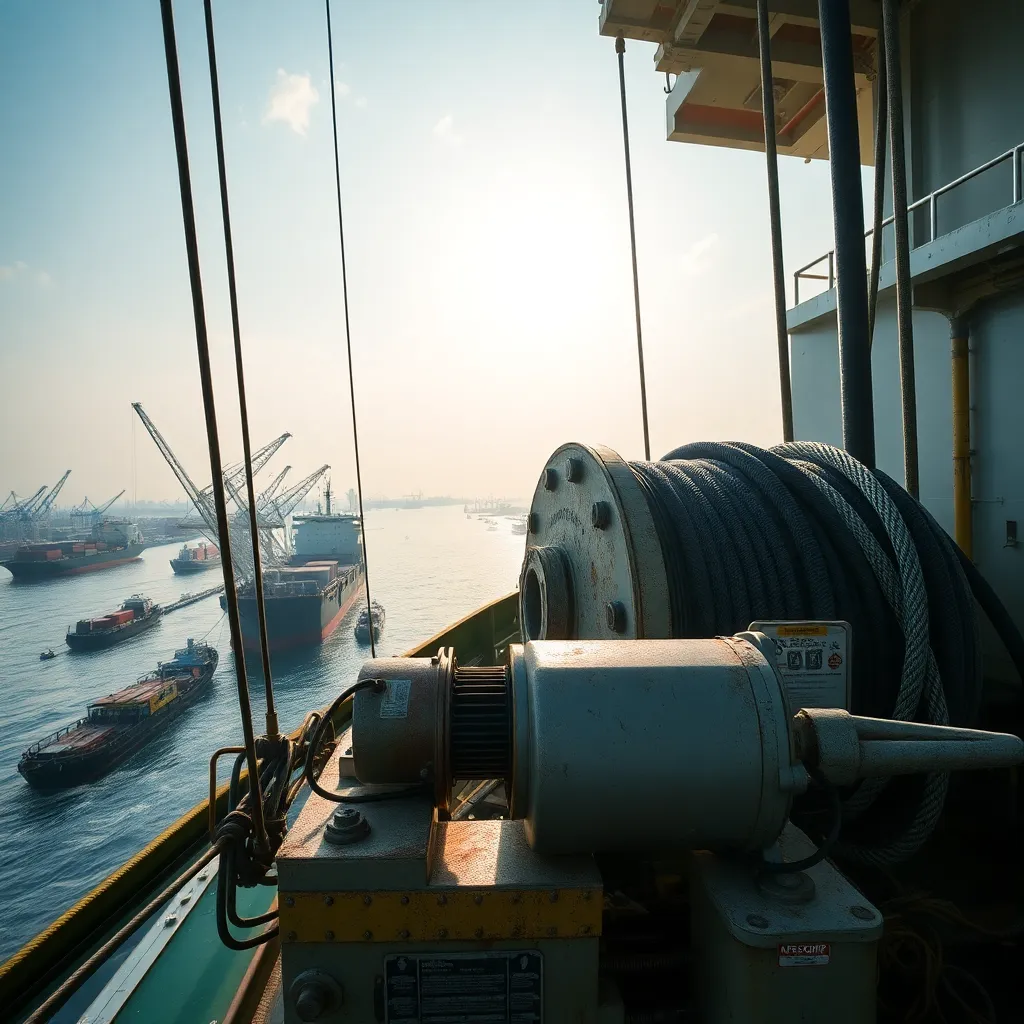
Does your deck machinery 1{#ref-1} struggle in the heat of the Malacca Strait 2{#ref-2}? I see many operators lose money to downtime. Let’s fix your hydraulic issues and boost your reliability today.
Malaysian maritime operations can master hydraulic efficiency by switching to high-torque, low-speed hydraulic motors. These systems eliminate complex gearboxes, resist tropical corrosion, and use IoT sensors for predictive maintenance. Partnering with a supplier that offers US-standard quality and local support ensures long-term vessel performance.
If you are tired of waiting for parts or dealing with leaks, keep reading. I will show you how the right hydraulic tech can save your business time and money.
Why Are Advanced Hydraulic Solutions Essential for Malaysia’s Deck Machinery?
Are your heavy winches failing during critical lifts? I know how frustrating mechanical breakdowns are when you are at sea. high-torque low-speed (HTLS) motors 3{#ref-3} can simplify your systems and save you from costly repairs.
Advanced hydraulic solutions are essential because they provide the massive startup torque needed for heavy winches without using heavy gearboxes. These compact systems reduce ship weight and eliminate many mechanical failure points. This is vital for staying productive in Malaysia's busy shipping lanes.
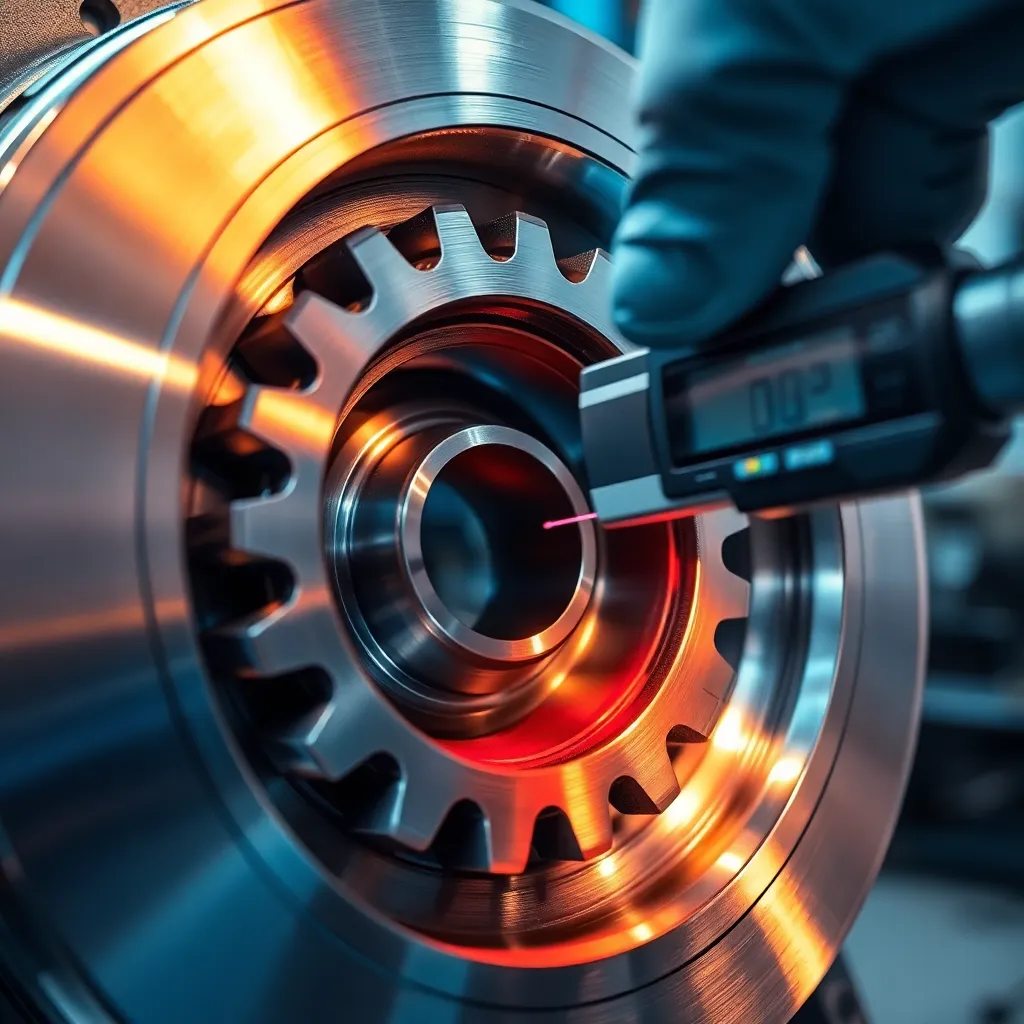
In the world of maritime deck machinery, weight and space are your biggest enemies. For years, shipbuilders used big gearboxes to get the power needed for winches and windlasses. But gearboxes are heavy. They have many moving parts that can break. I always tell my clients that more parts mean more problems. If one gear tooth chips, your whole winch stops.
At Fortis Systems Group, we focus on HTLS motors. Specifically, our orbit hydraulic motors 4{#ref-4} use a Geroller design. This design allows the motor to create high power directly. You do not need a big gearbox anymore. This reduces the total weight of your deck equipment. When your ship is lighter, you save on fuel. When you have fewer gears, you have fewer points where the machine can fail.
The Advantage of Direct Drive Systems
When you use a direct drive hydraulic motor, you get instant power. This is very important for dredging or pulling heavy loads in the South China Sea. If you are a purchasing manager, you should look at the power-to-weight ratio 5{#ref-5}. A small motor that does the work of a big engine is a win for your budget.
Below is a look at how direct drive systems compare to old gearbox systems:
| Feature | Old Gearbox Systems | Direct Drive Orbit Motors |
|---|---|---|
| Weight | Very Heavy | Lightweight & Compact |
| Maintenance | High (Needs oil changes for gears) | Low (Sealed hydraulic system) |
| Failure Points | Many (Gears, bearings, shafts) | Few (Mainly seals and valves) |
| Space Needed | Large footprint | Small footprint |
| Startup Torque | Slow build-up | Immediate and strong |
I have worked with many port directors who switched to our HTLS motors. They found that their maintenance teams spent less time fixing broken teeth. Instead, they just did basic checks on the hydraulic fluid. This switch changes the way you run your fleet. It moves you from "fixing things" to "running things." We use US engineering standards to make sure these motors handle the high pressure of Malaysian ports. We machine our parts to very tight tolerances. This means the parts fit together perfectly, which stops leaks before they start.
How Can You Enhance Operational Reliability in Tropical Maritime Climates?
Does the salty air of the Malacca Strait eat your equipment alive? I have seen motors rust in just a few weeks. You need parts built to survive high humidity and constant heat.
You can enhance reliability by using hydraulic parts with specialized anti-corrosion coatings and precision-machined internal parts. Choosing motors with tight tolerances reduces heat buildup. Also, using biodegradable fluids protects local marine life without sacrificing the power needed for heavy-duty offshore operations.
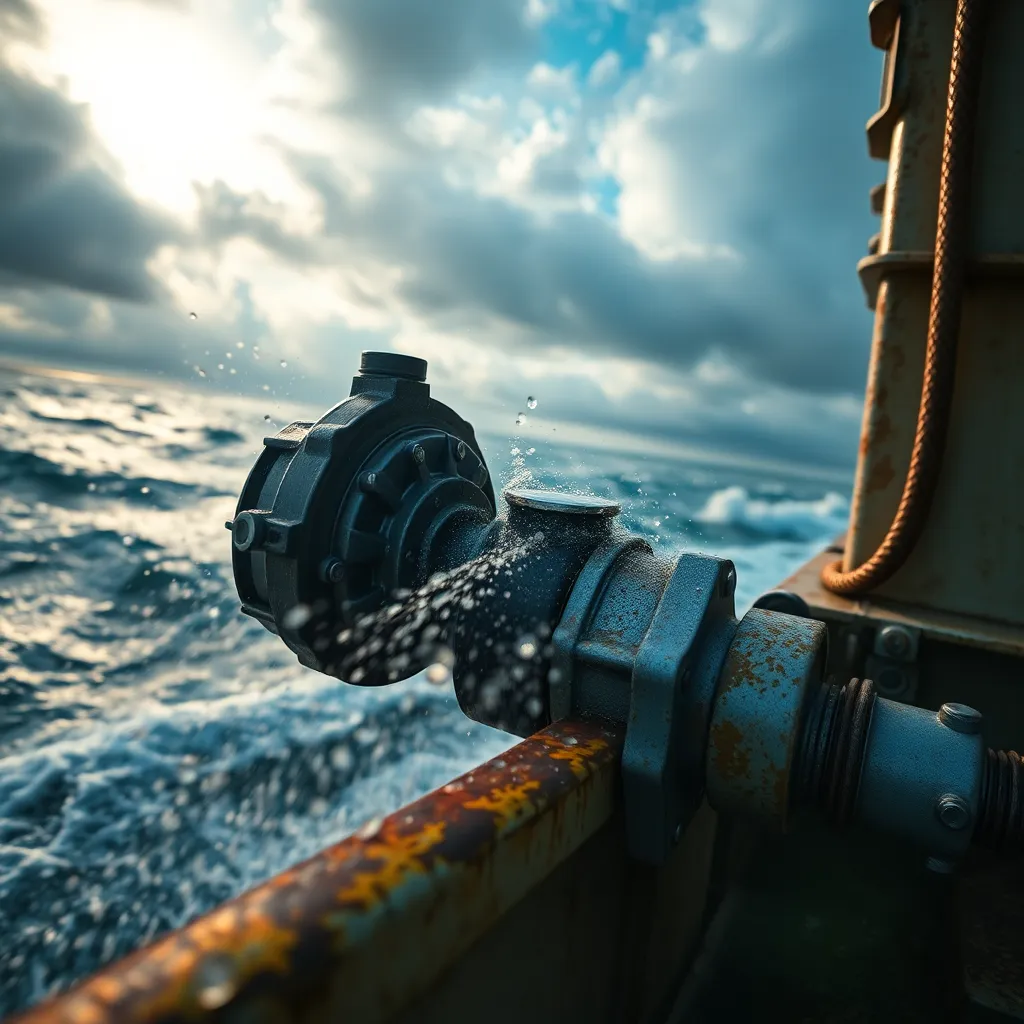
The climate in Malaysia is a nightmare for standard machinery. High humidity and salt spray cause "accelerated corrosion." This means metal eats away much faster than in cooler places. I often see motors where the outer casing has pitted and rusted. This rust can get into the seals and cause high-pressure leaks. When a leak happens, your ship stops, and your profit disappears.
To solve this, we focus on metallurgy. At Fortis Systems Group, we don't just use any steel. we use high-grade alloys that handle salt better. We also use anti-corrosion coatings 6{#ref-6} and a multi-stage polishing process for our motor components. Why does polishing matter? Smooth surfaces have fewer "hiding spots" for salt and moisture. A smooth surface also creates a better seal. If your seals are tight, the humid air stays out of your hydraulic oil.
Managing Heat in the Tropics
Heat is another silent killer. In Malaysia, the ambient temperature is already high. When a hydraulic motor runs, it creates its own heat. If the motor is not efficient, it gets too hot. Overheated oil becomes thin and loses its ability to lubricate. This leads to friction and internal damage.
We solve this by making sure our internal tolerances are ultra-tight. We use precision CNC machines to make every part. When parts fit perfectly, there is less internal "slip." Slip is when oil bypasses the working parts of the motor. Slip creates heat. By reducing slip, we keep the motor cool even in the Malaysian sun.
Protecting the Marine Environment
Malaysia has beautiful marine life. New rules are making it harder to use old-fashioned oils. If a hose breaks and oil spills into the sea, you face big fines. I recommend switching to high-performance biodegradable fluids 7{#ref-7}. Some people think green oil is weak. That is not true anymore. Modern bio-oils can handle the same pressure as mineral oils. They keep your motor running well while keeping you safe from environmental laws. This is a smart move for any CEO who wants to avoid legal trouble and protect the brand’s reputation.
What Drives Strategic Maintenance and Efficiency in Local Port Operations?
Are you waiting weeks for parts to arrive from overseas? I understand that a stopped crane is a giant hole in your wallet. Local support and smart sensors are your best defense against downtime.
Strategic maintenance is driven by using IoT sensors for real-time monitoring and keeping spare parts in local hubs like Port Klang. This proactive approach lets operators fix small issues before they become big failures. It reduces the need for expensive international service engineers.

Maintenance usually happens in two ways. You either fix it when it breaks (reactive), or you fix it before it breaks (proactive). In places like Port Klang or Tanjung Pelepas, you cannot afford to be reactive. If a cargo crane fails during a peak shift, the costs are huge.
I always suggest adding IoT (Internet of Things) sensors 8{#ref-8} to your hydraulic systems. These sensors are small, but they are powerful. They track the temperature and pressure of the oil. They can tell you if a motor is starting to wear out weeks before it actually fails. Imagine getting a text message saying "Motor 4 is running 5 degrees too hot." You can check it during a scheduled break instead of having it explode in the middle of a job.
Why Local Supply Chains Matter
Another big pain point I hear about is lead time. Many companies buy cheap motors but then wait two months for a spare seal kit. That is not a good deal. We manage this by having a strong supply chain. Even though we manufacture with high efficiency in China, we keep our management standards high. We can offer DDP (Door-to-Door) logistics to Malaysia, specifically to major hubs like Port Klang 9{#ref-9}. This means we handle the taxes, the shipping, and the paperwork. The part shows up at your door, and you don't have to stress about customs.
| Maintenance Type | Action Taken | Cost Impact | Downtime Risk |
|---|---|---|---|
| Reactive | Fix after it breaks | Very High (Rush parts + lost work) | Very High |
| Preventative | Change parts on a schedule | Medium (Might change good parts) | Low |
| Predictive (IoT) | Fix only when sensors show wear | Lowest (Max use of parts) | Very Low |
We also believe in upskilling the local workforce. You don't always need to fly in an expert from the US or Europe. If we provide clear technical drawings and remote video guidance, your local Malaysian engineers can do the work. This builds local pride and saves you a lot of money on travel fees. Our goal is to be your partner, not just a vendor who sends a box and disappears.
Which Sustainable Technologies Are Shaping Future Trends in Hydraulic Systems?
Are you worried about new environmental rules or rising fuel costs? I help my clients stay ahead of the curve. Hybrid systems and green tech are the future of Malaysian shipping and port work.
Future trends focus on mixing high-torque hydraulic motors with electric drives to save energy. Also, using high-performance green fluids helps Malaysian operators follow protection laws. These technologies maintain the high power needed for heavy lifting while lowering the carbon footprint of the vessel.
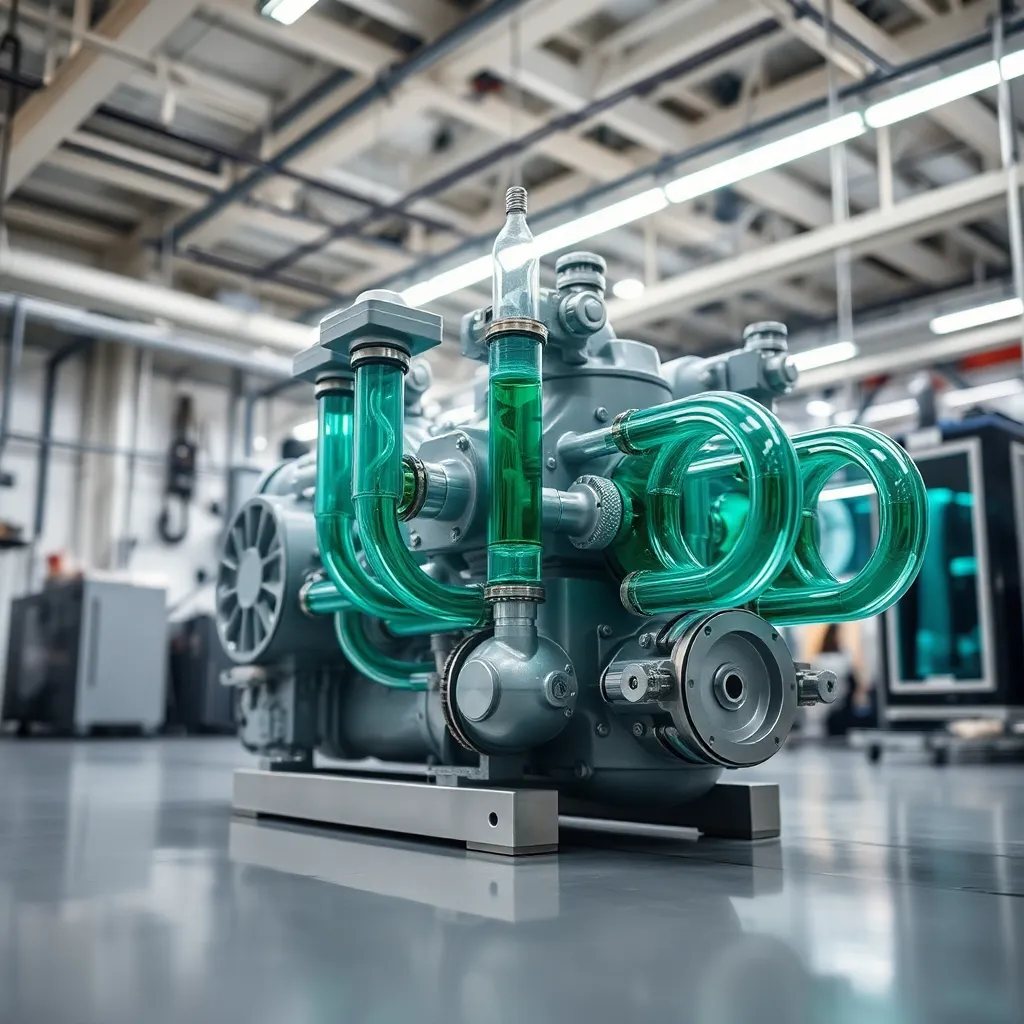
The world is changing. Shipping is under a lot of pressure to be "green." But you still need to lift heavy containers and pull big anchors. You cannot do that with weak motors. This is where hybrid systems 10{#ref-10} come in. A hybrid system uses an electric motor to run the hydraulic pump only when it is needed.
In old systems, the pump might run all the time, even if the winch is not moving. This wastes a lot of fuel. With a hybrid setup, you use electricity to manage the load. The hydraulic motor still does the heavy pulling because hydraulics are much better at "raw strength" than electric motors. This combination can cut your energy use by 30% or more. For a large fleet in Malaysia, that adds up to thousands of dollars in fuel savings every month.
The Role of Custom Engineering (OEM/ODM)
Every ship is different. A "one size fits all" motor usually fits nothing perfectly. That is why I push for custom solutions. We can take your drawings and build a motor that fits your exact space. We use multi-layer processing to ensure every custom part is as strong as our standard ones.
If you need a motor that uses a specific type of biodegradable fluid, we can design the seals for that. Not all rubbers work with all oils. If you use the wrong seal, it will swell and leak. We check the chemistry to make sure your "green" system is also a "reliable" system.
| Technology | Benefit to Operator | Long-term Goal |
|---|---|---|
| Hybrid Drives | Lower fuel bills | Carbon neutrality |
| Bio-Fluids | No fines for spills | Environmental safety |
| Smart Sensors | Less unplanned downtime | Zero-failure operations |
| Custom OEM | Perfect fit for old ships | Extended vessel life |
As we move forward, the "Western Standards + Eastern Value" model becomes even more important. You get the innovative designs from our US team and the fast, cost-effective production from our Chinese factories. This allows you to invest in these new technologies without breaking your bank account. You get the best of both worlds: high tech and a fair price.
Conclusion
Mastering hydraulics in Malaysia requires the right tech and local strategy. Use high-torque motors and smart sensors to stay ahead. Contact Fortis Systems Group today to optimize your fleet.
Footnotes
1. Comprehensive guide to different types of deck machinery used in modern shipping. ↩︎
2. Explore the strategic importance and navigational challenges of the Malacca Strait. ↩︎
3. Technical overview of high-torque low-speed hydraulic motor designs and applications. ↩︎
4. Detailed explanation of how orbital motors generate high torque via Geroller mechanisms. ↩︎
5. Definition and significance of power-to-weight ratios in industrial and marine engineering. ↩︎
6. Principles of preventing metal degradation in high-salinity maritime environments through coatings. ↩︎
7. US EPA guidelines on environmentally acceptable lubricants for maritime vessel compliance. ↩︎
8. Insights into how digital sensors transform maintenance cycles in the shipping industry. ↩︎
9. Official website of Malaysia's largest port, detailing operations and infrastructure. ↩︎
10. Latest trends in hybrid propulsion and power systems for sustainable maritime transport. ↩︎
