I see many offshore operators in Malaysia struggling with equipment failure due to salt and heat. You cannot afford downtime in deepwater projects. Let me show you how to fix your reliability.
High-pressure hydraulic motors are vital for Malaysia’s deepwater projects because they provide the torque needed for heavy lifting and mooring in harsh sea conditions. These systems ensure operational safety while supporting the nation's push toward digitalization and renewable energy integration.
The South China Sea is a tough place for machinery. If you want to keep your project on track, you need to understand how these motors work. Let’s look at why they are so important.
Essential Applications of Hydraulic Motors in Malaysia’s Deepwater Projects?
I have spent years watching deepwater winches 1{#ref-1} fail because they used the wrong specs. It stops everything. My team and I focus on high-torque solutions so your project never stops moving.
In fields like Malikai, high-pressure hydraulic motors drive the mooring and winching systems that keep platforms stable. These motors handle extreme loads at great depths, making them essential for the structural integrity and daily operations of Malaysia’s most productive offshore assets.
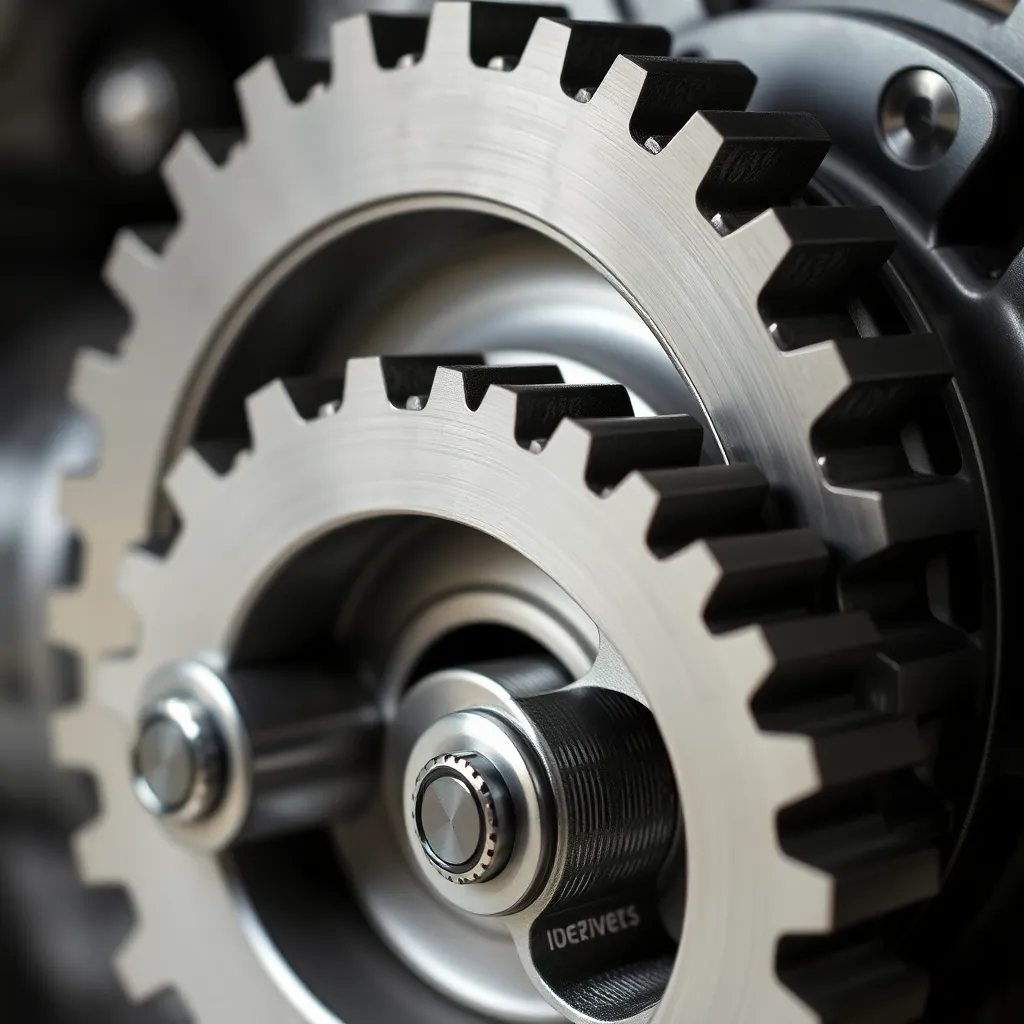
Deepwater fields like Gumusut-Kakap and Malikai are the crown jewels of Malaysia’s energy sector. These sites operate in very deep water. At these depths, the pressure is huge. You need tools that can fight back. High-pressure hydraulic motors are the muscles of these platforms. They power the mooring systems. These systems hold the massive floating structures in place against strong currents and waves. If a mooring winch fails, the whole platform is at risk.
We also see a big shift in how Offshore Support Vessels (OSVs) 2{#ref-2} work in Malaysia. Many now use variable displacement hydraulic motors 3{#ref-3}. Why? Because they save fuel. In the past, motors ran at one speed. Now, they adjust to the load. This gives the captain much better control when moving heavy parts on the deck. It also lowers the cost of fuel, which is a big win for any purchasing manager.
Key Applications in Deepwater Projects
| Application Type | Component Used | Benefit for Operator |
|---|---|---|
| Mooring Systems | High-Torque Motors | Maintains platform stability in rough seas |
| Deck Cranes | Variable Displacement Motors | Precise load handling and fuel efficiency |
| Subsea Winches | High-Pressure Motors | Reliable performance at extreme water depths |
I often tell my clients that precision matters most. At Fortis Systems Group, we use multi-stage machining. This means every part of the motor fits perfectly. In deepwater, a small gap in a seal leads to a big leak. Our motors use advanced sealing technology to prevent this. We match U.S. design standards with efficient manufacturing. This gives you a motor that can survive the Malikai field without breaking the bank.
Enhancing Operational Reliability through Localized MRO Services?
I know how much it hurts to wait months for a spare part from Europe. Your vessel sits idle in Labuan, and you lose money every hour. We believe local support is the only way to work.
Reliability improves when you use localized MRO hubs in Labuan and Kemaman to reduce downtime. By combining specialized anti-corrosion coatings and local technical support, operators can ensure their hydraulic motors withstand the high-salinity environment of the South China Sea.
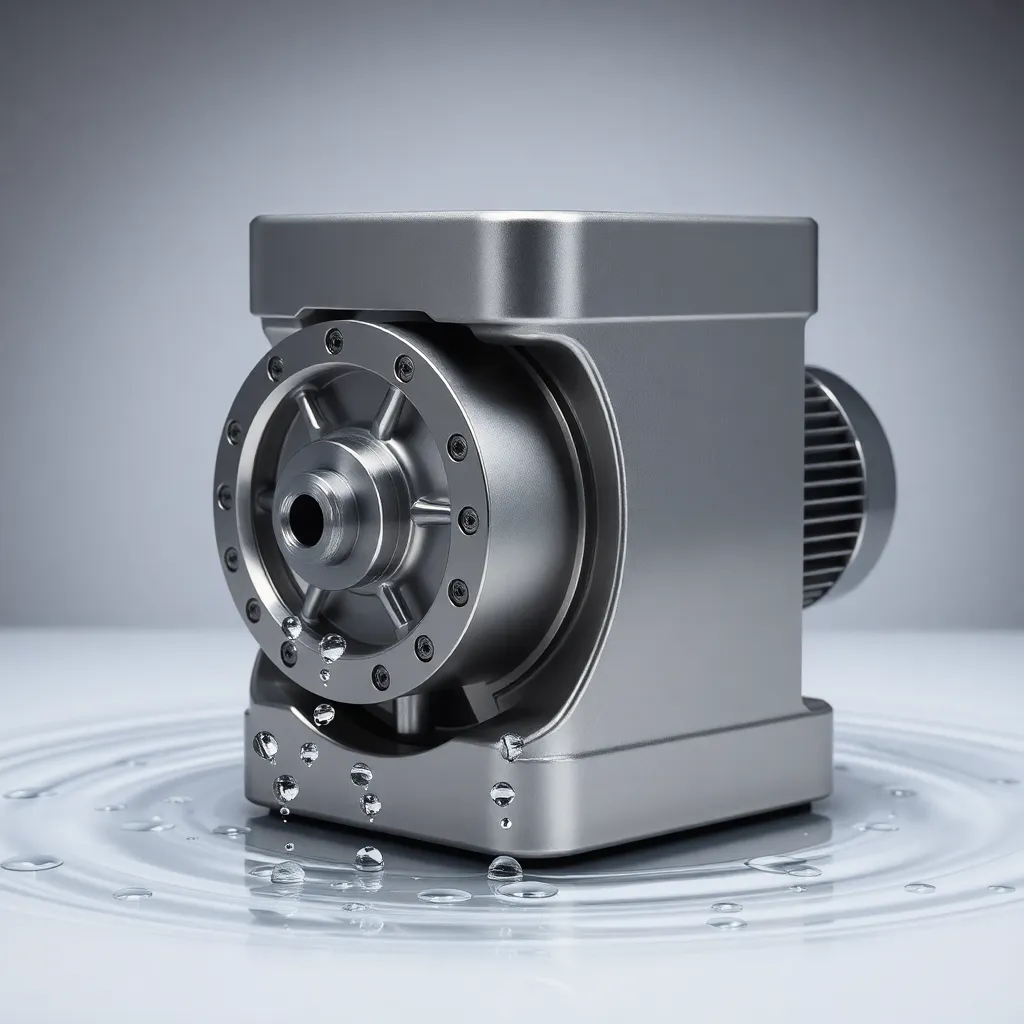
The air in Malaysia is wet and full of salt. This is a nightmare for metal. If your hydraulic motor is not protected, it will rust in weeks. We use specialized anti-corrosion coatings 4{#ref-4} on all our Orbit motors. This is not just paint. It is a chemical shield. We also use advanced sealing tech to keep the salt water out of the internal gears. This keeps the motor running smooth for years, not months.
Maintenance, Repair, and Overhaul (MRO) 5{#ref-5} is a big part of the plan for PETRONAS. They want things fixed locally. That is why hubs in Labuan and Kemaman are so busy. These hubs focus on high-pressure components. When a motor needs a fix, it should go to a local shop, not back across the ocean. This cuts downtime from weeks to days. I have seen this save projects millions of ringgit.
MRO Strategic Priorities
| Priority Area | Action Taken | Result |
|---|---|---|
| Corrosion Control | Apply specialized coatings | Longer equipment lifespan in salt air |
| Localized Repair | Use hubs in Labuan/Kemaman | Faster turnaround and lower shipping costs |
| Quality Checks | Multi-layer QC processing | Zero-defect parts for offshore safety |
To succeed in Malaysia, you must follow the rules. Collaborative joint ventures between international firms and local Bumiputera companies 6{#ref-6} are key. This helps navigate the laws and secures long-term contracts. It also builds a local pool of experts who know how to handle high-pressure systems. I focus on being a partner, not just a seller. We provide the technical drawings and the QC data so the local team can do their job right.
Digital Integration and Predictive Maintenance in Offshore Hydraulic Systems?
You are flying blind if you do not know when your motor will fail. I hate seeing surprise breakdowns on a rig. My goal is to give you eyes inside your machines using digital tools.
Digital integration involves using IoT sensors to monitor hydraulic motor health in real-time, aligning with PETRONAS’s digitalization goals. This technology predicts failures before they happen, allowing for scheduled maintenance that prevents costly unplanned shutdowns on offshore platforms.
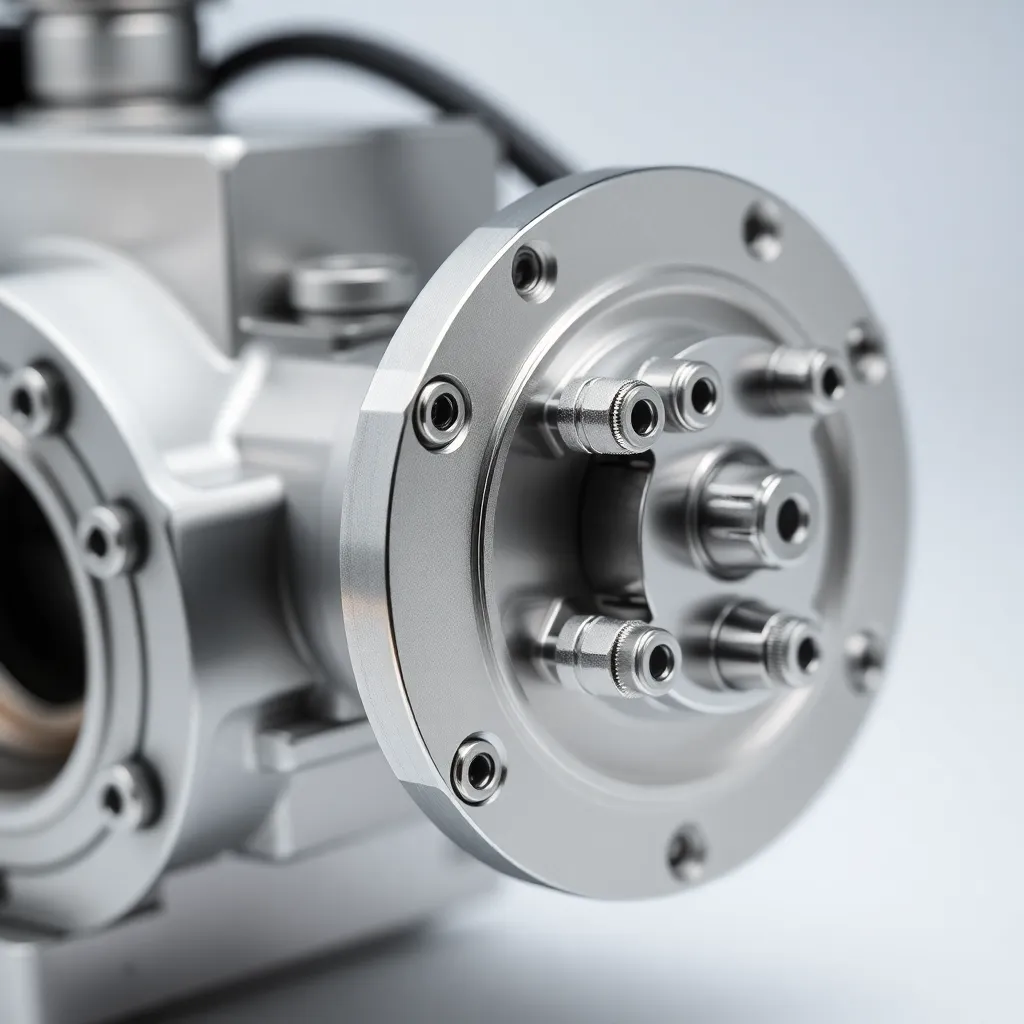
The world is getting smarter, and hydraulic motors are no exception. PETRONAS is pushing hard for a "digital twin" 7{#ref-7} of every rig. This means they want a digital map of how every part is working. We are now integrating IoT-enabled sensors 8{#ref-8} directly into our high-pressure motors. These sensors track heat, vibration, and pressure. If a motor starts to vibrate too much, the sensor sends an alert to the shore. You can fix the problem before the motor actually breaks.
This is called predictive maintenance. It is much better than the old "fix it when it breaks" way. For aging offshore assets in Malaysia, this is a lifesaver. Many rigs are old. They need new life. We use modular hydraulic motor designs for retrofitting. This means we can swap out an old, dumb motor for a new, smart one without changing the whole machine. It is a fast way to meet modern safety standards.
Digital Monitoring Benefits
| Sensor Type | What it Measures | Why it Matters |
|---|---|---|
| Pressure Sensor | Internal fluid force | Detects leaks or blockages early |
| Thermal Probe | Operating temperature | Prevents overheating and part failure |
| Vibration Sensor | Mechanical movement | Warns about worn gears or bearings |
I tell my engineering friends that data is the new oil. If you have the data, you have the power. At Fortis Systems Group, we don't just sell you a piece of iron. We sell you a system that talks to you. We provide remote installation guidance to make sure the sensors are set up right. This transparency is what our customers in North America and Southeast Asia love. They know exactly what is happening on their deck at all times.
The Future of Hydraulic Technology in Malaysia’s Renewable Offshore Transition?
The oil industry is changing, and you must change with it. I am already helping my clients move toward wind and hybrid power. Hydraulics will be the bridge to that green future.
Hydraulic technology supports Malaysia’s renewable transition by powering turbine pitch controls in offshore wind pilots and providing high power density for hybrid-electric vessels. These systems bridge the gap between traditional oil operations and a sustainable, low-carbon maritime future.
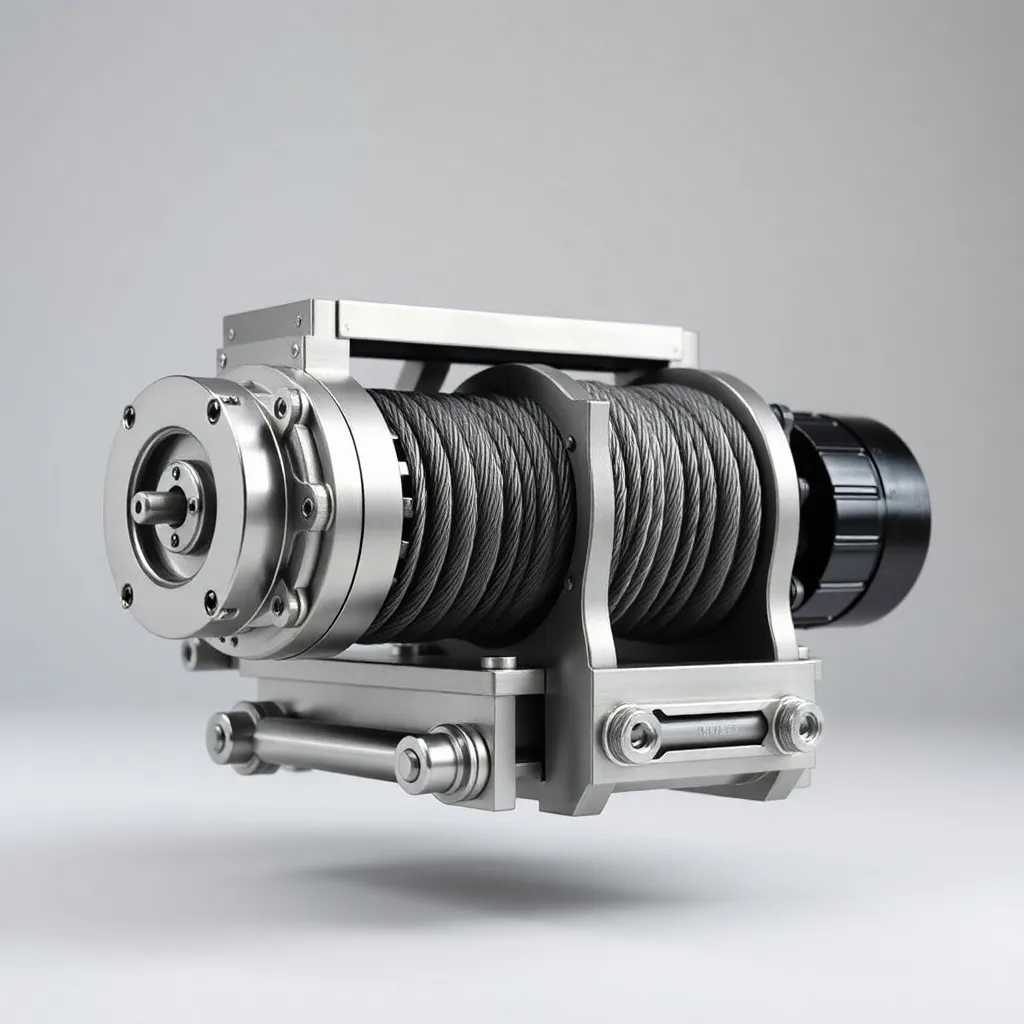
Malaysia is starting to look at offshore wind pilots 9{#ref-9}. This is an exciting shift. But wind turbines are huge and face heavy winds. To keep them safe, they need pitch and yaw control. These systems use hydraulic motors to turn the blades or the whole turbine. Hydraulics are perfect for this because they can hold a lot of weight without using a lot of electricity. Even as we move to green energy, the need for high-torque hydraulic power stays the same.
Another big trend is hybrid-electric OSVs. People want to use batteries to save the planet. But batteries are heavy and not very strong yet. They cannot handle the massive power needed for heavy deck cranes. That is where high-pressure hydraulic systems come in. They act as a transitional power solution. The boat can run on battery for moving, but when it is time to lift a 50-ton load, the hydraulics take over. This gives you the best of both worlds: clean energy and raw power.
Finally, we must talk about decommissioning 10{#ref-10}. Many old rigs in the South China Sea need to be taken down. This requires massive heavy-lift cranes. These cranes need the most powerful hydraulic motors ever made. The demand for these high-torque motors is going up. Whether we are building new wind farms or taking down old oil rigs, hydraulics are the key. I am proud to lead a company that provides the "Western Standards" of quality with the "Eastern Value" of efficient production to make this transition possible.
Conclusion
Malaysia's offshore future depends on high-pressure hydraulics. From deepwater drilling to wind energy, Fortis Systems Group provides the durable, high-precision motors you need to succeed in this changing market.
Footnotes
1. Explore technical requirements for mooring systems and winches in deepwater drilling environments. ↩︎
2. Latest news and operational trends for offshore support vessels in the global maritime sector. ↩︎
3. Understanding different types of hydraulic motors and their efficiency in heavy industrial machinery. ↩︎
4. Overview of protective coatings used to mitigate corrosion in harsh high-salinity marine environments. ↩︎
5. Professional insights into the global maintenance, repair, and overhaul landscape for heavy industry. ↩︎
6. Information on Malaysian government initiatives and policies regarding local Bumiputera business participation. ↩︎
7. Comprehensive guide to digital twin technology and its transformative industrial applications. ↩︎
8. How IoT sensors enhance predictive maintenance and operational awareness in modern manufacturing. ↩︎
9. Global developments and technologies driving the expansion of offshore wind energy and renewables. ↩︎
10. Best practices and regulatory frameworks for the safe removal and decommissioning of offshore infrastructure. ↩︎
